“Shelf space is real estate, and you pay to play”
For Coole Swan CEO Mary Sadlier, getting to grips with the cut-throat FMCG sector has been a steep learning curve but one she has relished as the Irish cream liqueur brand continues to go from strength to strength
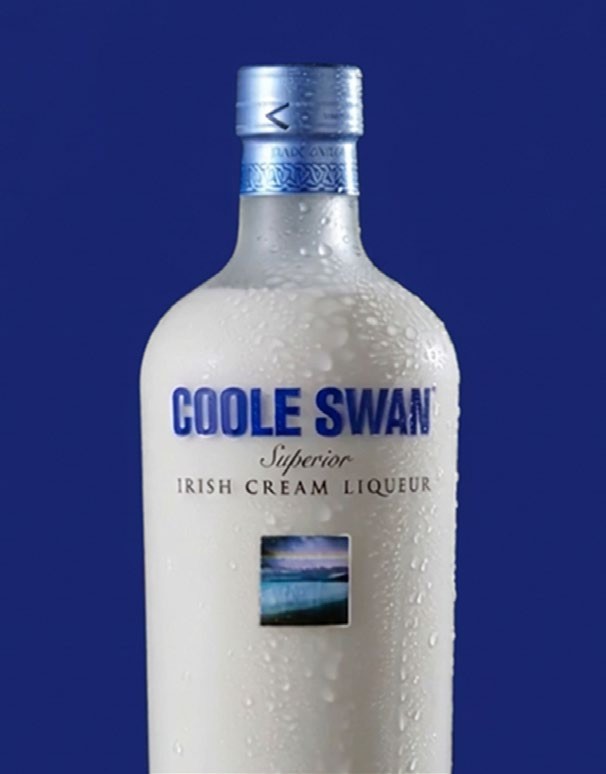
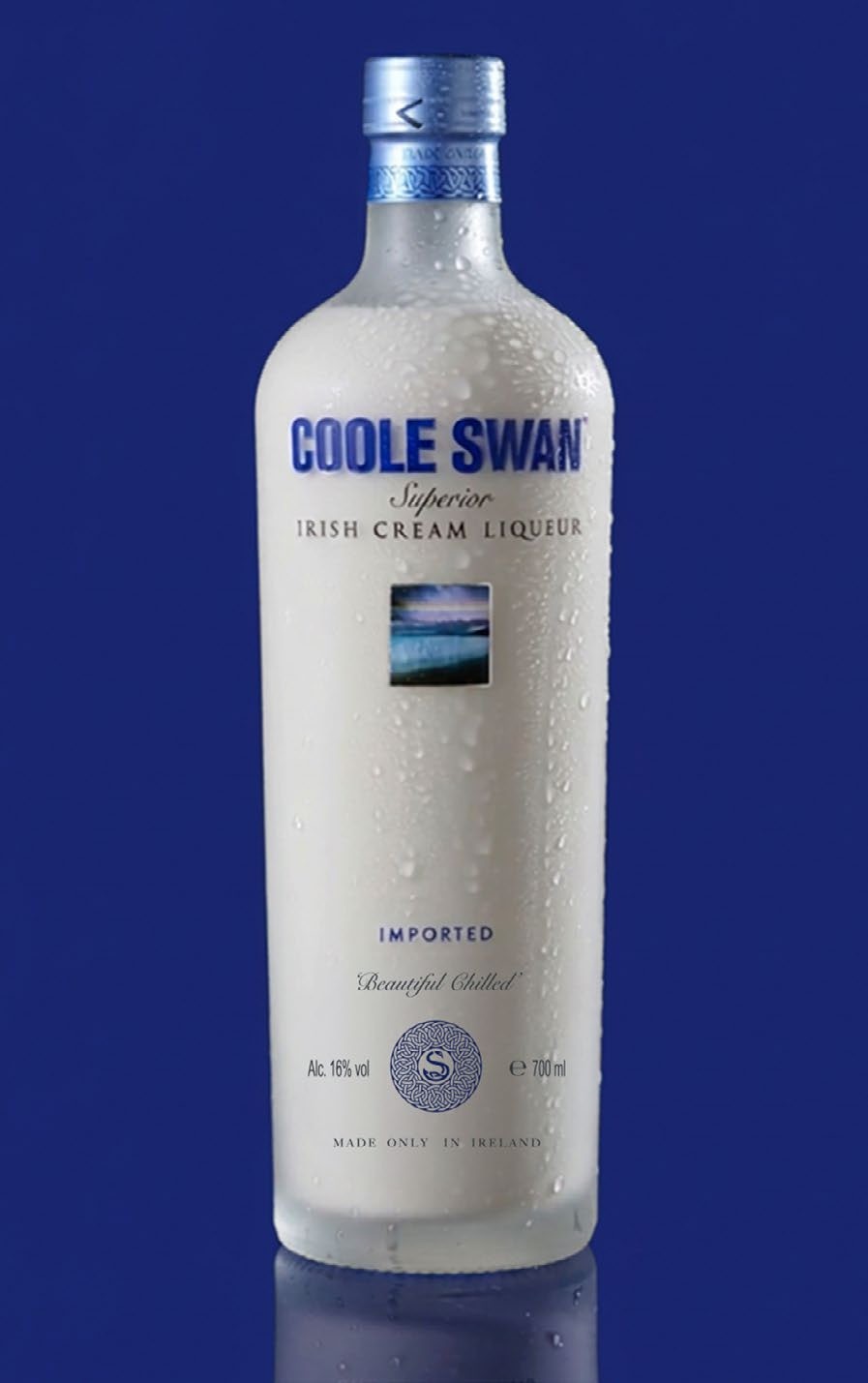
Next time you notice the distinctive white and blue Coole Swan cream liqueur bottle on a supermarket shelf, take a moment to consider the toil and effort that has gone into getting it there in the face of fierce competition from global drinks giants.
“The anti-competitive behaviour that goes on globally in FMCG [fast-moving consumer goods] is just incredible”, says Coole Swan CEO Mary Sadlier.
“It doesn’t happen in make-up, it doesn’t happen in clothing, but it happens in food and drink—and it’s wrong. “The Irish Government is putting in so much money to support Irish food companies and then the big brands are putting up more and more vicious roadblocks”.
Sadlier describes the environment as “very challenging”. “When I really began to learn about retail, I understood that shelf space is real estate and you pay to play”, she says.
“You really need to do that because they ain’t building any more shelf space. So, if you get on it, somebody else has to come off it. FMCG is a tough business.
Chartered accountancy and early career
A UCD economics graduate, Sadlier trained as a Chartered Accountant with Arthur Anderson. “I was a ‘non-relevant’”, she says with a smile, explaining that this was the term used to describe graduates without a commerce or other accountancy-related degree.
She is, she says, “beyond grateful” for the training she received back then. “It’s a great qualification, it really is. If you can’t read a P&L or balance sheet, you can’t read 90 percent of the world. Everything that makes the world turn is commercial”.
Sadlier’s first experience of the drinks industry came soon after qualifying as a Chartered Accountant when she joined Diageo.
“I was in transfer pricing”, she recalls.
“I went around the world defending the company’s position on putting profits into low-tax jurisdictions. I went up in front of the Internal Revenue Service in the US, and it was great. It was a really good job, and I saw the world with it”.
And then, life intruded. “I met my husband, who’s a farmer, but I was traveling a lot, so that wasn’t conducive to a relationship”, she says.
“There’s no going on holidays per se when you’re a farmer. You’ve got to get farm hands in to look after things. There’s an awful lot of animal husbandry involved in a dairy farm. We’ve also got a market garden at the back of the house, but who’d water it when you’re away?”
Marriage led Sadlier to give up her globe-trotting job with Diageo to pursue other interests.
“I more or less set up on my own. I had three children very quickly. I was working part-time and my husband had a small business along with the farm and that took a bit of time as well”.
Coole Swan: the early years
A chance meeting led to Sadlier’s initial involvement in Coole Swan. “I was at an event run by Meath County Council and bumped into a fellow who told me he was involved in a small business, Coole Swan, and needed some fundraising done”, she explains.
Sadlier agreed to help, utlising her network to find investors for the business.
She believes her early experience with Coole Swan is further evidence of the value of the Chartered Accountancy qualification. The founders were marketeers who, she says, were focused almost solely on volume sales while not paying due attention to the bottom line.
“They had a great idea and everything they were doing was right, but you need to keep other aspects on the straight and narrow”, she explains.
Under pressure from the investors she had brought on board, Sadlier decided to move into the business full-time.
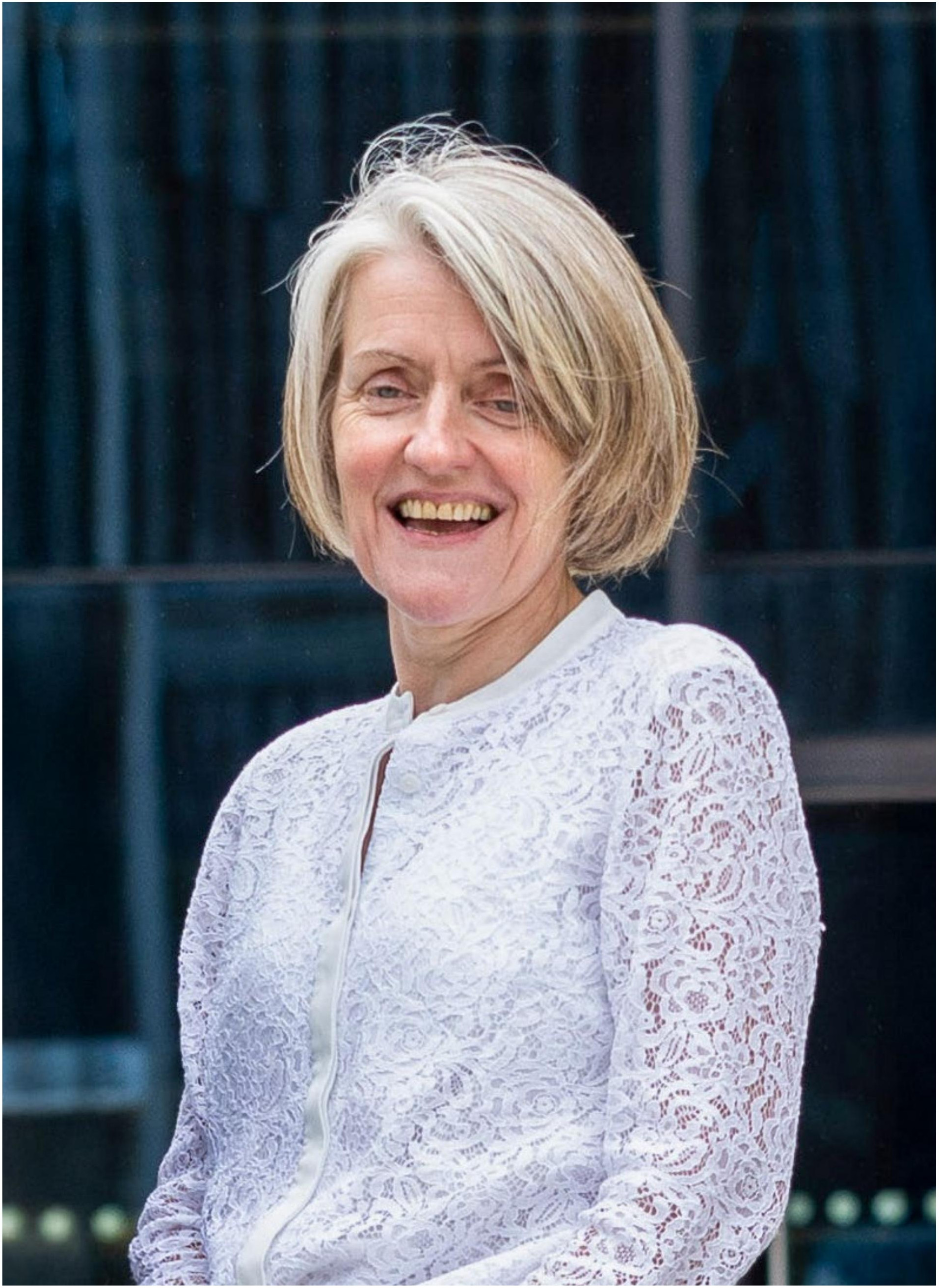
“I said to Philip, my husband, that I’d go, that it would take about two years to tidy it up and that I’d get out after that and do something else. Philip thought it would take a lot longer. I said, ‘it’ll take two years, I mean, who’s the accountant here?’ I’ve since decided my husband is a prophet because he was right, and here I am 14 years later. He was bang on”.
For Sadlier, the decision to stick it out was prompted by the quality of the Coole Swan product and the strength of the brand. “I was trying to wrap it up on one hand and it was growing on the other”, she says.
Her focus in the years since has remained unwaveringly on product and brand.
“This was probably a project to start with, not a business. It was this idea that there was no premium category in Irish cream liqueurs.
“It was the last frontier that didn’t have a premium product. Every brand has a premium category; Vodka has Grey Goose; Gin has Monkey 47. They all have really strong premium categories, but cream liqueurs didn’t. It was Baileys and below”.
Fourteen years of hard work means Coole Swan is heading toward profitability. “It’s a global brand and it’s growing really well”, Sadlier says.
“But it’s a very technical business. It’s not all about marketing campaigns. You’ve got to get your numbers right. You’ve got sales cycles. We don’t sell every day of the week or every day of the year. We sell in certain slots, and we have to spend in certain slots”.
The challenge of building a successful brand
Sadlier describes the development of the business in construction terms. “We dug out the foundations and built it brick by brick, but there were no architectural drawings. You only know you’re going wrong when you’re wasting cash and if something isn’t working and sales aren’t coming in”, she says.
“The problem with FMCG, even though it’s fast-moving consumer goods, is that, if you lose a week, you can lose six months. That’s because if you miss the cycle for Christmas, it only comes around again 12 months later”.
The breakeven point for Coole Swan is annual sales of about 40,000 cases or 240,000 bottles.
“There are two issues when you’re building a brand like this. One is you can never get a price increase because the retailers won’t take them. So, when your costs go up, you have to keeo working with your own processes internally. You’re building a leaner and leaner and leaner organisation”.
The other issue, says Sadlier, is that the retail channel does not provide forecasts to the smaller players. This means a retailer can, for example, with little or no notice, move a product’s store position or change order volumes. A lot of educated guesswork is therefore required for companies like Coole Swan to decide on their production volumes.
Coole Swan: global vision for Irish brand
Coole Swan’s sales currently stand at around 34,000 cases, well on the way to the 40,000 breakeven level—but not all sales are equal.
“The US is a good market for alcohol but needs a lot of reinvestment, the UK is also strong with a long route to market and China is good, but it is a new market to us.
“That brings me back to my accountancy days, all the time I’m trying to weigh up how to maintain margin. You’ve got to understand the minute detail of what’s happening in that market”.
Drilling for oil is the analogy Sadlier uses here. “I know the market is here. I’ve seen it. We’ve drilled. But to get it out, you have to build your own refinery in terms of your route to market”, she explains.
“We’ve really leaned into the lean model. I often feel I can now understand Ryanair”. Despite the challenges, she continues to enjoy her role. “Our product is very visible—you can pour it, you can taste it. I don’t like the word ‘privilege’, but it’s a real honour to have this liquid. My goal is to have Coole Swan on every shelf, everywhere in the world, and for it to be the third biggest Irish alcohol brand after Guinness and Baileys. And I’ll die trying”.