Achieving work-life balance in a busy profession
Is work-life balance really achievable for high-performing professionals with demanding schedules? We ask three Chartered Accountants how they achieve optimum balance between life and work
Carol Glynn Founder Conscious Finance Coaching
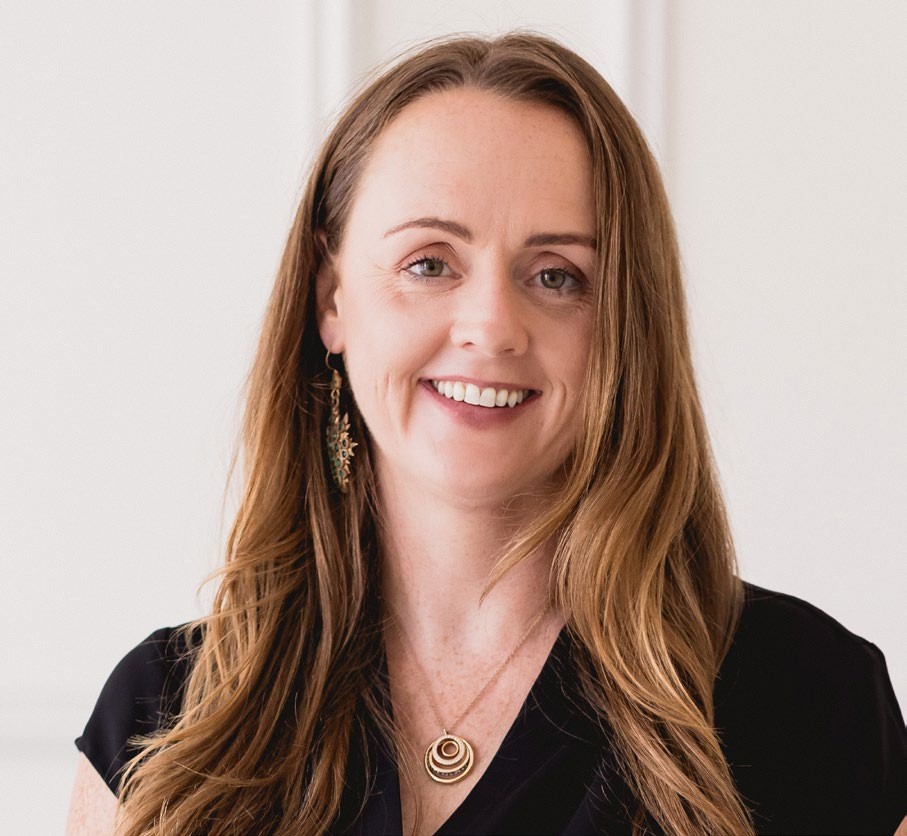
Work-life balance can be realistic in high-performance careers but not in the way the glossy magazines or lifestyle experts often describe it.
Work-life balance has been packaged as a kind of permanent equilibrium—four-day weeks, strict boundaries, never a weekend email.
For most people in high-performance careers, this version simply does not exist. Chasing it only adds guilt and frustration to an already packed schedule and overflowing mental load.
Real balance is a pendulum, not a set point. Sometimes work demands priority: a critical deadline, a demanding project, or a season of intense focus that requires longer hours and weekend working.
This is not a failure of balance. It is the reality of how many industries operate, especially when you have a high-performance career.
In my view, balance develops over time when the pendulum is equally free to swing back towards your personal life when needed, but this pendulum doesn’t swing freely on its own— someone has to manage it.
I worked in high-performance environments for most of my corporate career: Big Four audit; regional leadership across dozens of countries; large teams and intense pressure and responsibility in demanding industries.
Even thinking about achieving work-life balance was laughable, and, frankly, stress-inducing.
Then I joined a company in which work-life balance was part of the organisational ethos, modelled from the top and actively protected.
When people were consistently overworked, senior leadership questioned their managers about it. Standards and expectations for quality work were still very high, and deadlines were firm.
Pressure existed, but management did not let this consume employees’ lives. Late nights were still worked when needed, but this was never an ongoing expectation.
This experience changed my view entirely. Work-life balance is not just a personal achievement; it is an organisational achievement—shaped by leadership, reinforced by culture and, in some industries, still a long way off.
The tone is set from the top. Leaders must demonstrate it, embed it in the culture and ensure it is enforced; not leave it as another empty intention without follow-through.
Niall Gillis Finance Manager UCC Academy
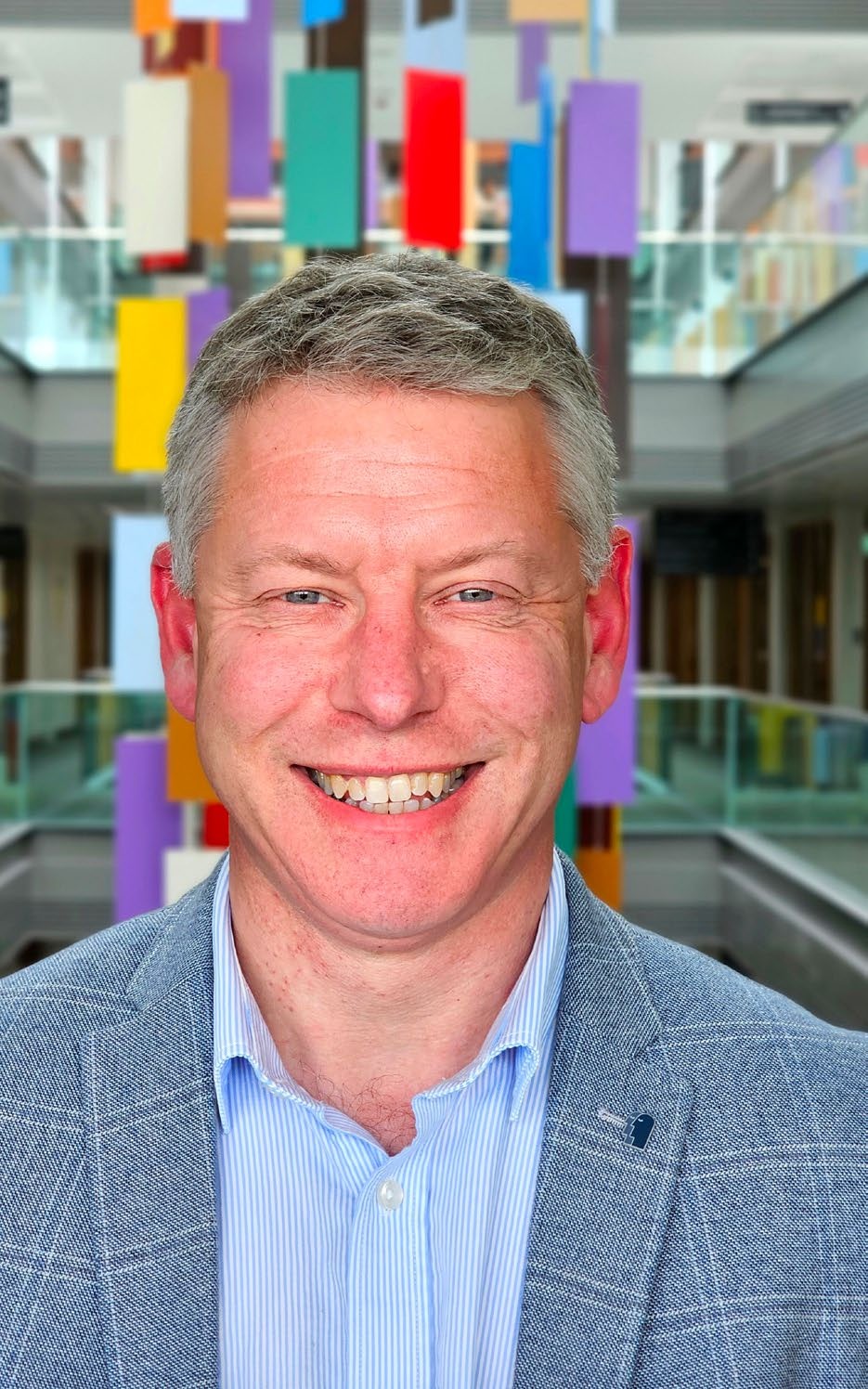
Any Chartered Accountant will know how challenging it can be at times to achieve a healthy work-life balance while managing high workloads and regular deadlines.
I would argue, however, that not only is work-life balance achievable, it is essential to sustaining the high performance needed to carry a long and successful career.
True work-life balance is about bringing the best version of yourself to work each day, arriving with the energy and focus needed to be productive and managing your time effectively during the day, while also finding time for the things that bring a little joy in the evenings and at weekends.
Balance can mean different things to different people, and you can also find joy and fulfilment in the workplace—the reward of developing a team member, meeting a milestone, team working or taking the time to appreciate the small everyday wins.
I am fortunate to work in an environment in which well-being and balance are actionable core values.
The key to achieving this is being disciplined about both your work and personal time. As Chartered Accountants, we need to lead the narrative by working smarter, being more organised and focusing our energy where it adds the most value.
I believe artificial intelligence will play a major role in helping professionals organise and prioritise workflows more effectively in the future. Used correctly, AI has the potential to reduce administrative burdens and allow people to focus on higher-value work. To maintain a healthy balance, I think it is equally important to be fully present outside work. Whether this means spending time with family and friends, exercising, pursuing hobbies or simply taking time to switch off, these activities help recharge your energy and maintain perspective.
Ultimately, maintaining balance is not about working less; it is about working sustainably so you can continue to perform at a high level throughout your career.
Kirsten Doran Assistance Manager BDO NI

In my role, my days are fast-paced and unpredictable. No two days look the same, and priorities can shift in an instant. Outside the office, I am equally committed: I love to run, having recently completed the Belfast Marathon, and I play rugby, both of which require structure, discipline and proper recovery.
In corporate life, it can sometimes feel as though, if you don’t sacrifice your own time, you’ll get left behind. Finding the time and energy to excel in these other parts of my life can be challenging.
What is realistically achievable, I think, is work-life harmony. When I get up early and run, I go to work energised, focused and mentally clear. This morning discipline directly improves my performance.
After work, whether I’m at rugby training or decompressing on the sofa with a cup of tea, I’m resetting in a way that prepares me for the next day.
The relationship works both ways: the resilience, teamwork and problem-solving I use at work make me a better athlete; the discipline and structure I need in sport make me a better professional. Everything feeds everything else.
Of course, there are days when it feels like there is far more work than life, when deadlines approach, emails multiply and the carrot can feel very far away. I try not to let these days define the whole picture.
High-performance careers don’t eliminate balance but they do r equire you to create it intentionally. When you let work support your life, and life support your work, the harmony becomes not only realistic but sustainable.
“AFTER WORK, WHETHER I’M AT RUGBY TRAINING OR DECOMPRESSING ON THE SOFA WITH A CUP OF TEA, I’M RESETTING IN A WAY THAT PREPARES ME FOR THE NEXT DAY”