Talent is among the most pressing challenges facing the accountancy profession. Across Ireland, firms and industry employers are operating in a constrained labour market, competing for qualified professionals while managing evolving expectations around flexibility, purpose and workplace culture.
While Ireland is often recognised as a progressive and inclusive society, particularly following milestones such as the 2015 Marriage Equality Referendum, the workplace experience here does not always fully reflect this progress.
Many organisations have made meaningful investments in diversity and inclusion strategies, yet the day-to-day reality for employees can still vary significantly.
This matters because, increasingly, retention—not attraction—is the critical issue. According to research carried out by the Chartered Institute of Personnel and Development in Ireland, inclusive cultures are central to retaining talent.
Similarly, market analysis carried out in Ireland by recruitment firm Hays indicates that more than half of professionals would consider leaving an organisation if its workplace culture did not meet their expectations.
For the accountancy profession—in which careers are often long-term and relationship-driven—the implications are clear: culture is no longer a “soft” consideration. It is central to whether or not people choose to remain with an employer, progress and perform.
The crux of the issue here is inclusion and, specifically, whether or not individuals feel they belong and can build a career without having to compromise who they are.
Inclusion, psychological safety and retention
Inclusive cultures are not defined solely by policies or statements of intent. They are defined by whether or not individuals experience psychological safety in their day-today work.
Psychological safety—the ability to speak up, contribute ideas, and be oneself without fear of negative consequences—is increasingly recognised as a key driver of both performance and retention.
Research conducted by Deloitte has found that employees who feel included are significantly more engaged and more likely to stay with their organisation. In contrast, those who do not feel included are more likely to disengage and actively consider leaving.
For many LGBTQ+ professionals, psychological safety can be reflected in relatively simple but important ways— feeling comfortable being open about their personal lives, not having to edit conversations, or seeing visible role models at senior levels.
These signals influence whether or not individuals feel they can build a long-term future within an organisation.
The absence of psychological safety is often subtle, rather than explicit. Individuals may feel unable to challenge ideas, hesitate to contribute at meetings, or withdraw from informal networks critical to career progression.
Over time, this can limit both individual potential and organisational performance.
This is particularly relevant in accountancy and professional services, where success is shaped not only by technical capability but also by visibility, relationships and access to opportunities.
The business case: mitigating direct and indirect costs
The cost of non-inclusive cultures is both direct and indirect, and increasingly difficult to ignore. From a financial perspective, churn is expensive. Replacing experienced professionals involves recruitment costs, onboarding time and lost productivity.
Research carried out by Gallup, estimates that replacing an employee can cost between half to two times their annual salary, depending on the role.
The less visible costs may be more significant, however. A lack of inclusion can result in reduced engagement, lower discretionary effort and missed opportunities for innovation.

For example, employees from different ethnic backgrounds may feel less able to contribute perspectives if they perceive that this difference is not fully valued, limiting the diversity of thought within teams.
Similarly, for colleagues with disabilities, barriers—whether physical, technological or cultural—can impact their ability to participate fully, with implications for both individual performance and organisational effectiveness.
One of the most practical ways organisations can address this is through a focus on micro-inclusion. Micro-inclusions are the small, everyday behaviours that shape whether or not individuals feel valued.
This includes ensuring all voices are heard at meetings, using inclusive language, actively seeking different perspectives and challenging exclusionary behaviours when they arise.
Simple actions like being mindful of accessibility needs, avoiding assumptions or ensuring that informal networks and social interactions are inclusive, can have a meaningful impact over time.
These actions may seem minor in isolation, but their cumulative effect is significant. Inclusive cultures play a critical role in shaping how people experience their work. When individuals feel a genuine sense of belonging, they are more likely to engage fully, contribute ideas with confidence and build long-term careers within an organisation.
Closely linked to this is allyship. In practice, allyship is demonstrated through consistent actions like advocating for colleagues, addressing bias and creating space for others to contribute.
When embedded across teams, these behaviours contribute directly to psychological safety and, ultimately, to retention.
While data and research can highlight the importance of inclusive cultures, it is individual experiences that bring real inclusion to life.
Understanding why a person stays with an employer, or chooses to leave, requires listening to their perspectives.
It is through these lived experiences that organisations can most clearly see the impact of inclusion on talent, retention and long-term success.

Beena Gulati (she/her)
Audit Director
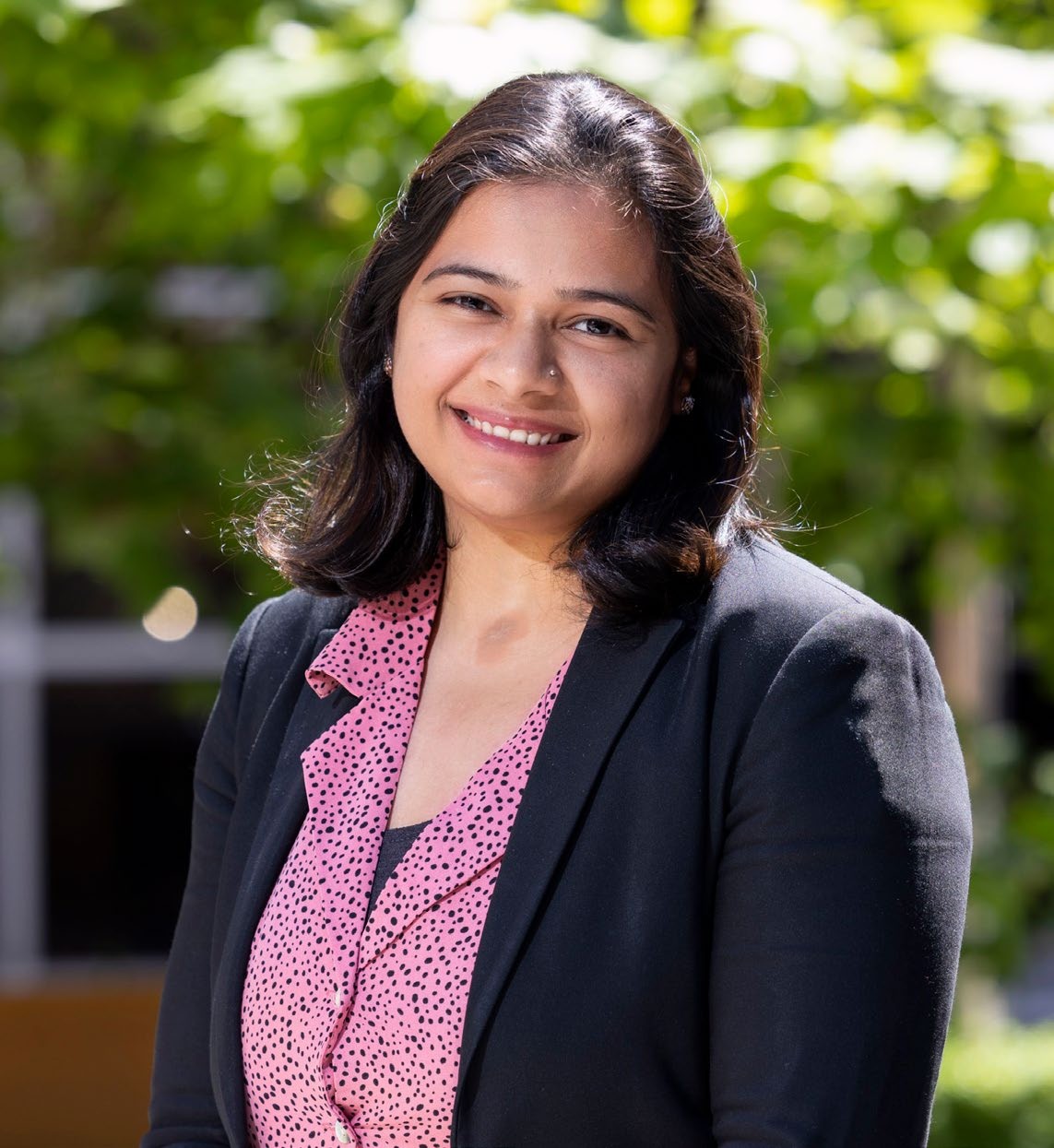
The conversation about talent in accountancy often focuses on attraction, but retention is where inclusion is truly tested. Living with an acquired disability has shown me how workplace culture quietly shapes whether or not people can build sustainable careers.
When inclusion is informal or reactive, individuals often carry the responsibility of repeatedly explaining their needs or navigating systems not designed with them in mind. This effort is rarely visible, but it accumulates over time, affecting confidence, focus and engagement.
By contrast, environments in which inclusion is built into structures and leadership behaviours create a very different experience.
When accessibility is considered upfront and support is normalised, people are able to participate fully without hesitation or self-monitoring.
In my own experience, working within a firm that has invested in these foundations has removed friction from my day-to-day work and allowed me to direct my energy towards contribution, collaboration and performance.
In a profession built on long-term relationships, judgment and experience, this matters. Inclusive cultures protect institutional knowledge, strengthen engagement and support sustained performance over time.
Retaining the best people requires more than policies—it requires cultures in which individuals can belong, progress and perform without compromise.
Jaimie Dower (she/her)
Executive Director, Audit

For a long time, I tried to keep my personal and professional lives fully separate. As a not “out” transgender woman in a senior role, I thought this was the only way to “fit” into the profession. It took time—and the right environment—to realise that this separation was holding me back more than I ever admitted.
What changed wasn’t one single moment, but a culture that consistently showed me I could be myself without it being an issue.
Being able to say, “This is who I am”, and have it be received with respect and inclusion, made such a massive difference to me. It gave me the clarity and bandwidth to focus on the work I care about and the confidence to lead in a way that is truly authentic.
Accountancy is a people profession, and we rely on trust and strong teams. People do their best work when they aren’t worried about whether they belong.
A fully inclusive culture doesn’t just help any one group—it lifts the whole organisation. When people feel safe and valued, they stay, they contribute more and they bring an energy you cannot instil through policy alone.
Conor Hudson (he/him)
Associate Director, Licensing, Mergers and Acquisitions
 I have been with my organisation for nearly ten years, and in that time, I’ve seen a real shift in how inclusion is approached. In recent years, there has been a clear, top-down focus on diversity and inclusion, led by the C-suite.
In many ways, it feels like the organisation has caught up with where I already was—comfortable being open about my life and wanting this to feel entirely normal at work.
This wasn’t always the case. In earlier roles, I was more conscious of what I shared and how I showed up. Even small things, like referencing a partner, felt like a decision rather than something natural.
What has made the biggest difference in my experience is often not one major initiative, but the accumulation of small, everyday behaviours.
Everyone can take practical actions to create a more inclusive environment; avoiding assumptions about a colleague’s partner, using inclusive language, or being mindful to ensure all voices are heard at meetings.
Visible signals can also be powerful, whether that’s wearing a Pride lanyard, using inclusive Teams backgrounds, or including pronouns in email signatures.
These may seem like small actions, but they play an important role in signalling that difference is recognised, respected and valued.
My experience working closely with colleagues in Germany has also highlighted how inclusion can extend into language itself. In a language in which nouns are inherently gendered, there is an active debate about how to evolve everyday words to better reflect all identities.
For me, these moments matter. They create an environment in which being open doesn’t feel like a decision, it just feels normal. And when this happens, you can focus fully on your work, your team and building your career in the profession.
Sophie McVeigh (she/her)
Risk and Controls Manager
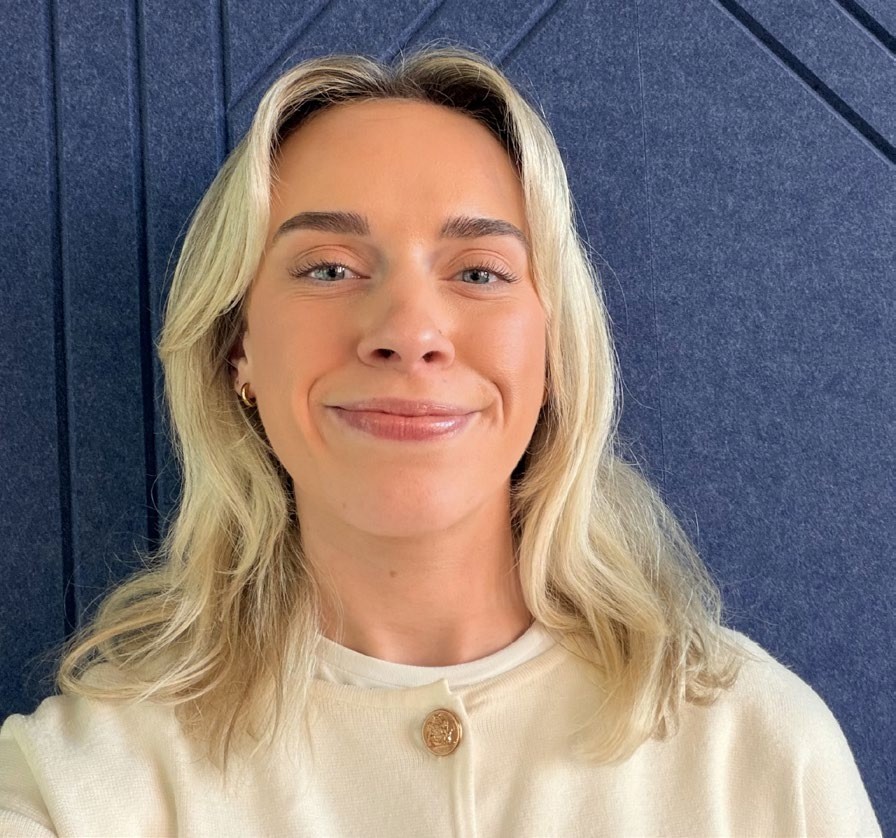
Beginning my career as a queer graduate at a large firm, keeping my head down and focusing on performance felt like the most comfortable path. What I didn’t realise was that I was folding myself to fit unspoken expectations.
Everything changed when I joined the firm’s LGBTQ+ network. The concept of “bringing yourself to work” helped me understand that professional value is scoped not only by technical skillset, but by relationships, lived experience and authenticity.
This sense of belonging propelled my confidence, engagement, and ultimately, my career trajectory.
I’ve seen the same effect more recently in banking. Regardless of organisational size, effective inclusion is often showcased in everyday choices—asking about a “partner” instead of assuming gender, amplifying quieter voices, or recognising that identities often intersect across gender, sexuality, culture, ability and life stage.
These micro-actions matter, and when consistently embedded, foster psychological safety and deepen loyalty.
Micro-inclusions can be simple yet impactful. Announcing yourself on calls, for example, or describing slides before explaining them: “This chart shows year-on-year losses; the middle column is highest”.
Inclusive cultures aren’t forged through grand one-off gestures, but through consistent, everyday moments of recognition. When people feel seen for all of their dimensions, they can only be empowered.