The societal impact of the AI boom in business
Artificial intelligence is bedding down in business, but what of the wider societal impact? Thomas Sercovich examines the responsibility organisations have regarding AI
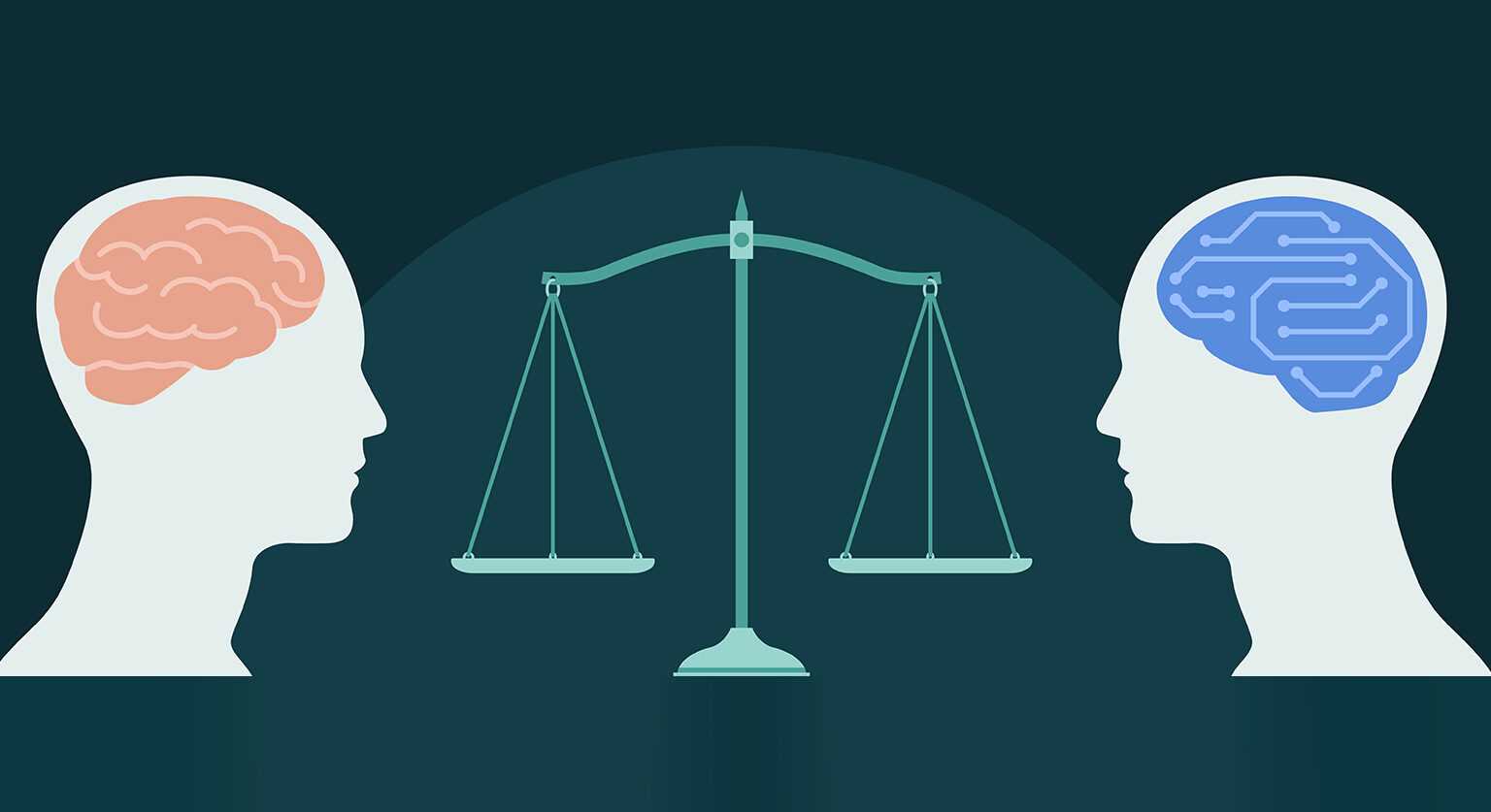
A significant technological breakthrough that is here to stay, artificial Intelligence (AI) is becoming increasingly commonplace in business.
Whether agentic, generative or deep learning, 90 percent of business sectors and industries have taken the “AI plunge”, signalling an irreversible trend.
While implementation takes shape, a key question has emerged: whether the societal impacts of AI have entered discussions on inclusive, responsible and sustainable business practices.
We could, of course, pose this question to an AI-powered chatbot. Instead, we convened a group of CEOs of our Business in the Community Ireland member companies and thought leaders to discuss the extent to which AI implementation in business is impacting society.
Defining AI
Defining what AI is might feel trivial, but the term is used to describe multiple applications, business processes and models.
This ambiguity complicates any assessment of the societal impacts of using AI, as different applications have different impacts and require different approaches.
Clarity and a sort of taxonomy are required in order to address different potential social impacts and mitigation actions.
SMEs are at a disadvantage
AI implementation is taking place at high speed and keeping pace can be a challenge.
Productivity gains are evident in most cases, in task augmentation, increased efficiency and reduced costs in the long-term.
However, implementation is costly and buy-in is uneven. This can leave smaller companies or those with tighter margins at a disadvantage, despite a compelling business case to invest in AI.
Talent recruitment and retention
Job displacement is happening. How much job displacement AI will generate long-term is hard to determine.
There was a clear view that upskilling is also taking place. Building trust with staff will be critical to engagement and acceptance, as employees may be hesitant to adopt AI.
AI risk management frameworks need to incorporate societal impact dimensions, such as job displacement, upskilling and retraining.
The CEOs highlighted that the human skills business will recruit for in the future will not change. Critical thinking, creativity and initiative will remain fundamental to any role.
Ethical challenges
AI’s ethical challenges are becoming more complex when tools can facilitate spreading misinformation and disinformation, transform reality via deepfakes and “nudification” tools or include biased algorithms that exacerbate discrimination.
It was agreed that this broader ethical dimension is a complex issue for businesses, since individuals make personal choices about engaging with this technology. The role of organisations in regulating employee use is harder to monitor.
Clear guardrails on AI use have to be developed and implemented. Again, trust will be important.
What responsible AI leadership requires
The leaders believe businesses built on a strong foundation of inclusion and sustainability should be well-prepared to navigate the societal challenges posed by AI.
Responsible businesses need to be coherent and ensure the impact AI has on society is managed with the same rigour as any other governance, social or environmental dimension.
A credible ‘how-to guide’ for business on AI will require:
- CEO-driven leadership and commitment strongly aligned with a organisation’s purpose;
- Clear guidelines, risk assessments and metrics;
- Meaningful engagement across communities, customers and employees to understand impacts; and
- Transparent disclosure and accountability.
The path forward
AI has redefined the boundaries of a business’s societal responsibility. Yet the fundamental principles of assessment, engagement and mitigation have not changed.
There is a clear call on business leaders to ensure that societal responsibility remains at the core of the AI revolution.
There is a significant competitiveness opportunity for Irish businesses to thrive with AI and there is an equally compelling case for societal impact to be part of this competitiveness agenda.
Tomás Sercovich is CEO of Business in the Community Ireland