“Trust has become a defining strategic asset”
Gabriela Figueiredo Dias, Chair of the International Ethics Standards Board for Accountants, talks to Accountancy Ireland about the rising value of ethics and governance in the profession today
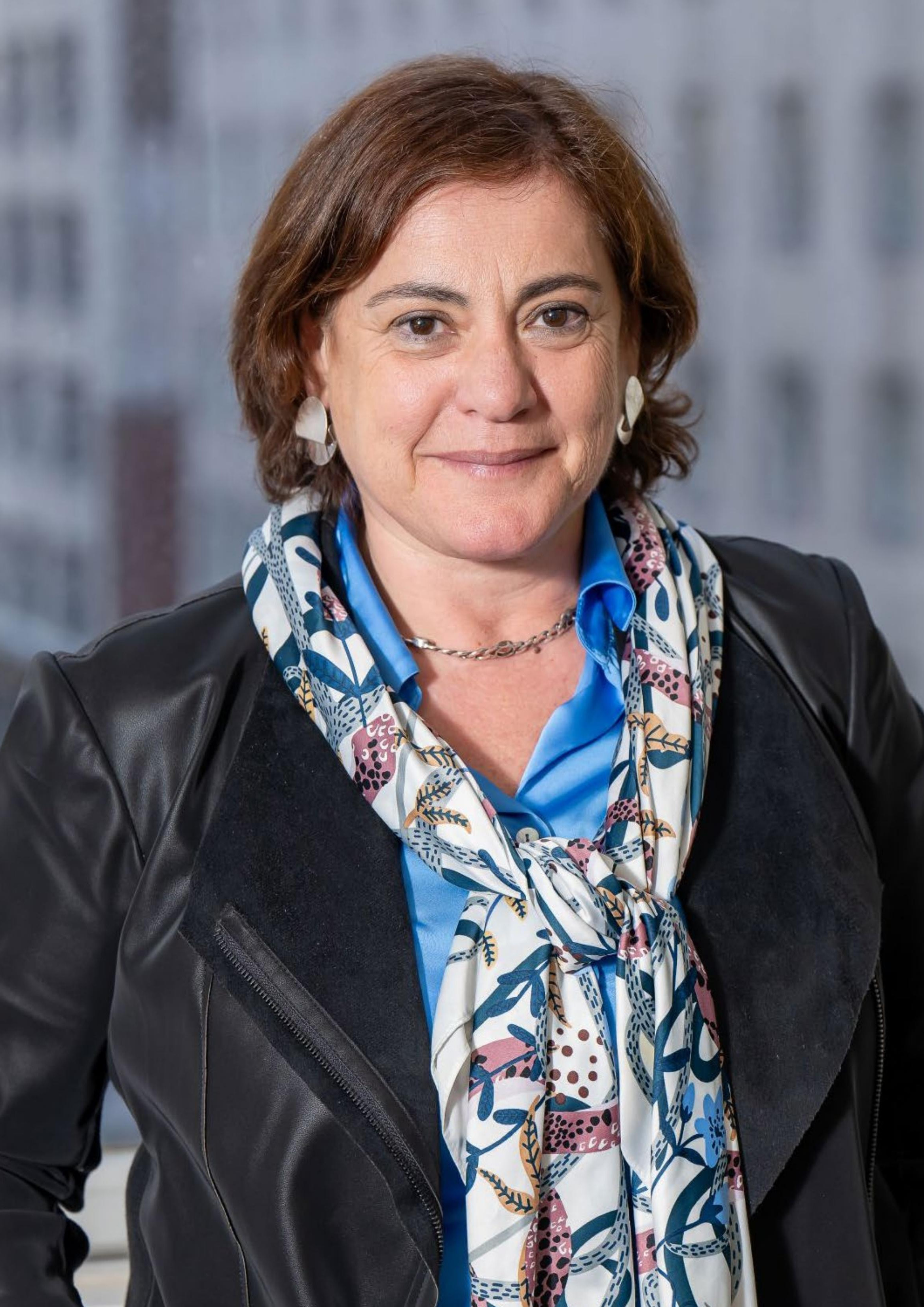
The value of ethical conduct within accounting is more important now than ever before, as the profession navigates a host of changes and challenges.
So says Gabriela Figueiredo Dias, Chair of the International Ethics Standards Board for Accountants (IESBA).
Speaking to Accountancy Ireland in January, following the launch of the latest phase of the IESBA’s Firm Culture and Governance (FCG) initiative, Figueiredo Dias noted the value of ethics within the profession as “an economic asset”.
“Ethics is foundational to the work of all accounting firms and the professionals therein. It is their gateway to public trust in their professional services,” she said.
“Trust has become a defining strategic asset. Organisations are increasingly judged not only on technical excellence or commercial success, but also on the values they demonstrate, the judgments they exercise under pressure and the confidence they earn from markets, regulators, investors and society at large.”
FCG initiative: origins and aims
The FCG project was launched in January 2025 following the publication of the recommendations of a dedicated working group assembled by the IESBA in response to several cases of unethical behavior in accounting firms in recent years.
The working group’s findings highlighted the important role of ethical leadership and robust governance in embedding a culture that promotes ethical behavior within accounting firms.
Also noted was the importance of transparent and ethical leadership, firm-wide accountability mechanisms and independent input, as well as the need to align performance incentives with ethical behaviour, provide continuous education, and encourage open discussion and challenge.
“Our aim overall is to develop a principle-based culture and governance framework for accounting firms that supports and reinforces a high standard of ethical behaviour,” Figueiredo Dias explained.
“It is the IESBA’s conviction that this framework will enable firms to be highly ethical and consistently so, strengthening their resilience against the risks posed by unethical behaviour, and allowing them to maintain a good reputation and long-term sustainability to serve clients, investors, other stakeholders and the public interest.”
Ethical conduct: more than just an asset
The importance of ethics to financial systems, economies and societies globally has been central to Figueiredo Dias’ career over the years.
She joined the IESBA in her current role in January 2022 from the Portuguese Securities Commission where she had been both Executive Chair and, before that, Deputy Chair.
In the course of her career, she has served on the boards of the International Organisation of Securities Commissions and the European Securities and Markets Authority.
Reappointed as the IESBA Chair in January 2025, she is also currently co-Chief Executive of the International Auditing and Assurance Standards Board (IAASB), and the International Foundation for Ethics and Audit, a non-profit that houses both the IESBA and IAASB.
“Through my work, I have developed a very close and practical understanding of how markets work. It has been clear to me for a long time that ethical conduct is really critical to ensuring markets function well, and that accountants and auditors play a critical role in creating and fostering trust, confidence and transparency,” said Figueiredo Dias.
“Ethical conduct is more than just an asset; it is a condition for the markets to operate well. Joining IESBA four years ago has allowed me to advance my role in supporting this conviction.”
Established in 1977 and headquartered in New York City in the US, the IESBA is an independent global standard-setting board.
Its mission is to serve the public interest by setting standards as a cornerstone to ethical behaviour in business, and to public trust in the financial and non-financial information that is fundamental to the proper functioning and sustainability of organisations, financial markets and economies worldwide.
The IESBA began 2026 with the publication of its FCG Viewpoints and the launch of the FCG Dialogues, a six-month global engagement initiative through which the standard-setter will test, refine and further develop its thinking in consultation with stakeholders worldwide Throughout January, IESBA representatives engaged with stakeholders in Singapore, Malaysia and Hong Kong, including professional accountancy organisations, regulators, accountants and accounting firms.
“Our Viewpoints are intended to support informed dialogue on what a future global framework on firm culture and governance should look like, and our outreach gives us the opportunity to listen, exchange views and deepen engagement with stakeholders,” Figueiredo Dias explained.
FCG framework: eight elements
The FCG Framework recognises that ethical behavior is shaped not only by rules and individual conduct, but also by organisational factors, such as leadership, governance, accountability, incentives, openness and transparency.
“Ethical failures within firms are rarely due to a lack of rules or standards alone. Often, they reflect deeper issues relating to the firm’s ethical culture. In fact, extensive research demonstrates that ethical behavior in organisations is strongly influenced by firm culture,” Figueiredo Dias explained.
At present, there is no comprehensive global ethics baseline against which firms of different sizes, and operating in different contexts, can assess their ethical culture and governance practices across all activities, however.
“Our FCG project is about exploring the development of a global, firm-level framework that complements the existing requirements in our International Code of Ethics for Professional Accountants,” said Figueiredo Dias.
“The IESBA Code focuses primarily on individual professional conduct and independence requirements at individual and firm levels, rather than cultural or governance factors. The FCG project is examining how a global framework could support firms in strengthening the key elements that underpin a strong ethical culture.”
The eight elements that form the structure of the FCG Framework are:
• Ethical leadership;
• Oversight and governance;
• Independent input;
• Accountability across the firm;
• Incentives and disincentives;
• Open discussion and challenge;
• Education and training; and
• Transparency.
Global ethics baseline for firms
The IESBA’s outreach to stakeholders globally will continue until mid-2026, exploring how the eight FCG elements should best be structured within a framework; which of the IESBA Viewpoints should evolve into principles integrated within the framework; and whether such a framework should be positioned within the IESBA Code, or outside the Code and available for voluntary adoption.
“This is an important project for IESBA. It is our firm conviction that this is a very necessary initiative at a time when the accounting sector globally is facing complex challenges,” Figueiredo Dias said.
“On one hand, the profession is dealing with developments in sustainability reporting and the ethical challenges raised by the use of technologies such as artificial intelligence.
“On the other, there is the trend towards deregulation in Europe and the US, and the emergence of new business models driven by increasing private equity investment within the accounting sector.
“Our FCG initiative aims to support professional accounting firms globally, by providing them with a robust global culture and governance baseline that can mitigate the risk of unethical behaviour arising internally, thus strengthening their resilience in the years ahead.”