Is bias holding your organisation back?
Andrea Dermody challenges leaders’ belief in meritocracy, showing how bias shapes decisions and why fair leadership requires deliberate systems, not good intentions alone
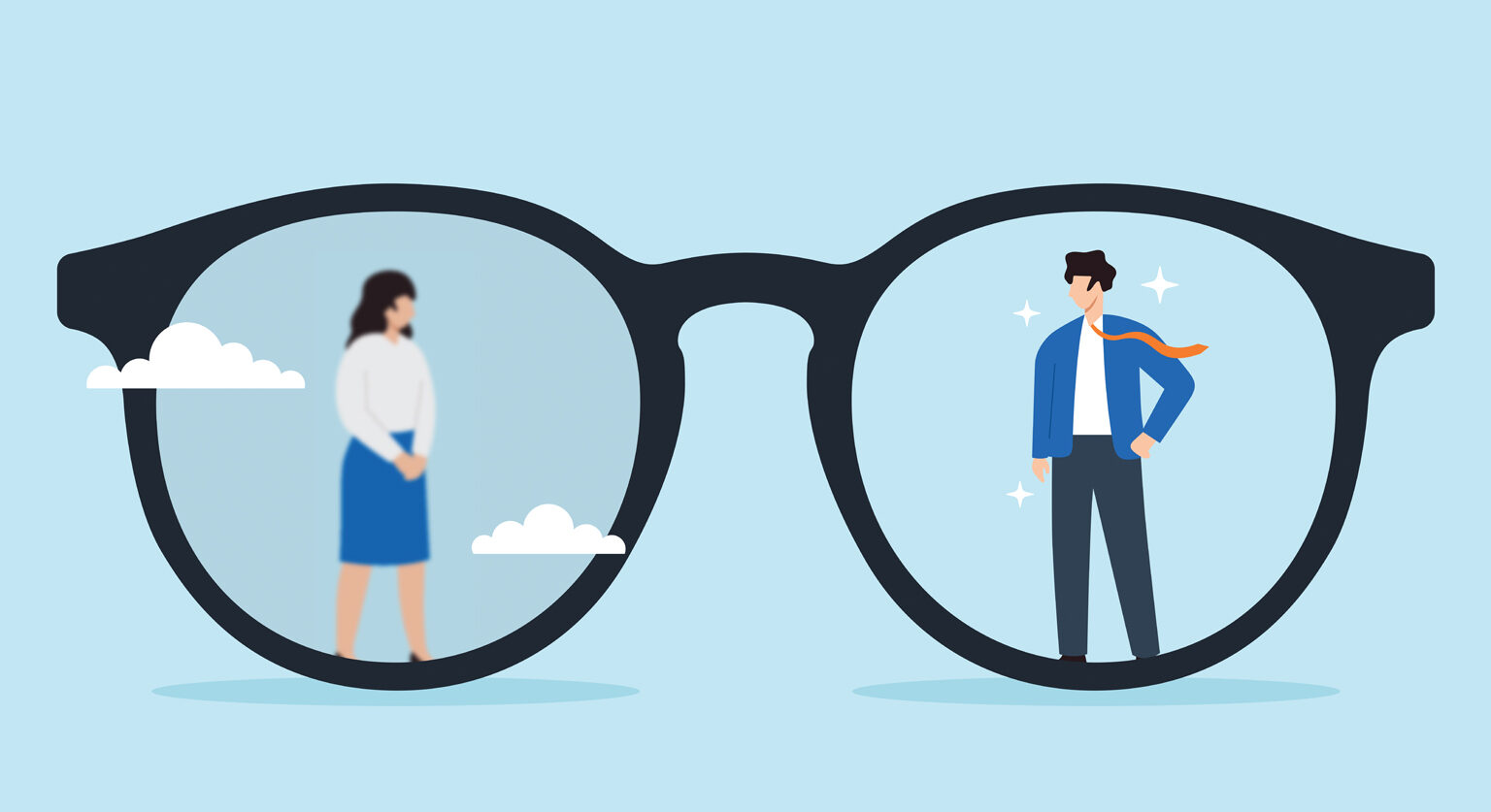
Most of us like to think we’re fair-minded. Most leaders genuinely believe they hire and promote based on merit – their favourite articulation is: “I always hire the best person for the job.”
But here’s the thing: our brains weren’t built for fairness. They were built for speed and safety, meaning our brains have evolved to keep us safe, not to make us fair.
Imagine you’re standing at a busy road crossing, cars whizzing by, waiting for the lights to change so you can cross safely. Someone beside you starts to step out before the light changes. You instinctively reach out to stop them without consciously thinking it through.
That’s your brain doing what it’s designed to do – respond quickly to potential risk. It’s scanning for cues, drawing on past experiences and acting fast to keep you safe.
That same shortcutting also happens in the workplace.
When reviewing CVs, deciding who to promote or assessing someone’s performance, our brains are still looking for the familiar, comfortable and safe.
That’s where bias creeps in.
Bias is human
We all have biases, conscious and unconscious. That’s not a flaw in our character; it’s just how the brain works.
However, understanding that is only the first step to being a fair leader. Next, you must design ways to make fairer decisions despite your biases.
Biases can show up at work in several ways:
- Affinity bias – We favour people who remind us of ourselves – same school, background or previous employer.
- Halo and horns effect – A first impression (whether good or bad) can colour everything that comes after. The bias means there are no automatic second or third chances.
- Confirmation bias – We notice what supports our beliefs and filter out what doesn’t, making it difficult to see contradictory perspectives
- Recency bias – We place too much emphasis on recent events, making it nearly impossible to accurately assess a year’s performance.
- Groupthink – We self-censor to keep the peace, staying silent when we disagree with the majority opinion.
- Blind spot bias – We spot bias in others but not in ourselves.
These biases don’t just affect hiring and promotion processes. They can also impact strategy, innovation and team dynamics.
Interrupt your biases
To combat the human instinct to yield to bias, we must structure our decisions. That might look like using rubrics for hiring or adding calibration to performance reviews. It could mean inviting challenges into team meetings or asking yourself what evidence was used to make certain calls.
You don’t have to rely on willpower to be fair.
You can start small by getting curious about the voices you listen to, the perspectives you seek out, and the assumptions you hold.
You may not be able to eliminate bias entirely. But you can interrupt it.
Beyond it being the right thing to do, interrupting your biases makes smart business sense. It is the secret sauce that makes diverse teams work together – an understanding that they will be included regardless of how they differ from the boss.
Andrea Dermody is Founder of Dermody