Building business strength in a volatile environment
Simon MacAllister examines how global turbulence is impacting Irish businesses forced to adapt fast and build resilience as they prepare for the months ahead
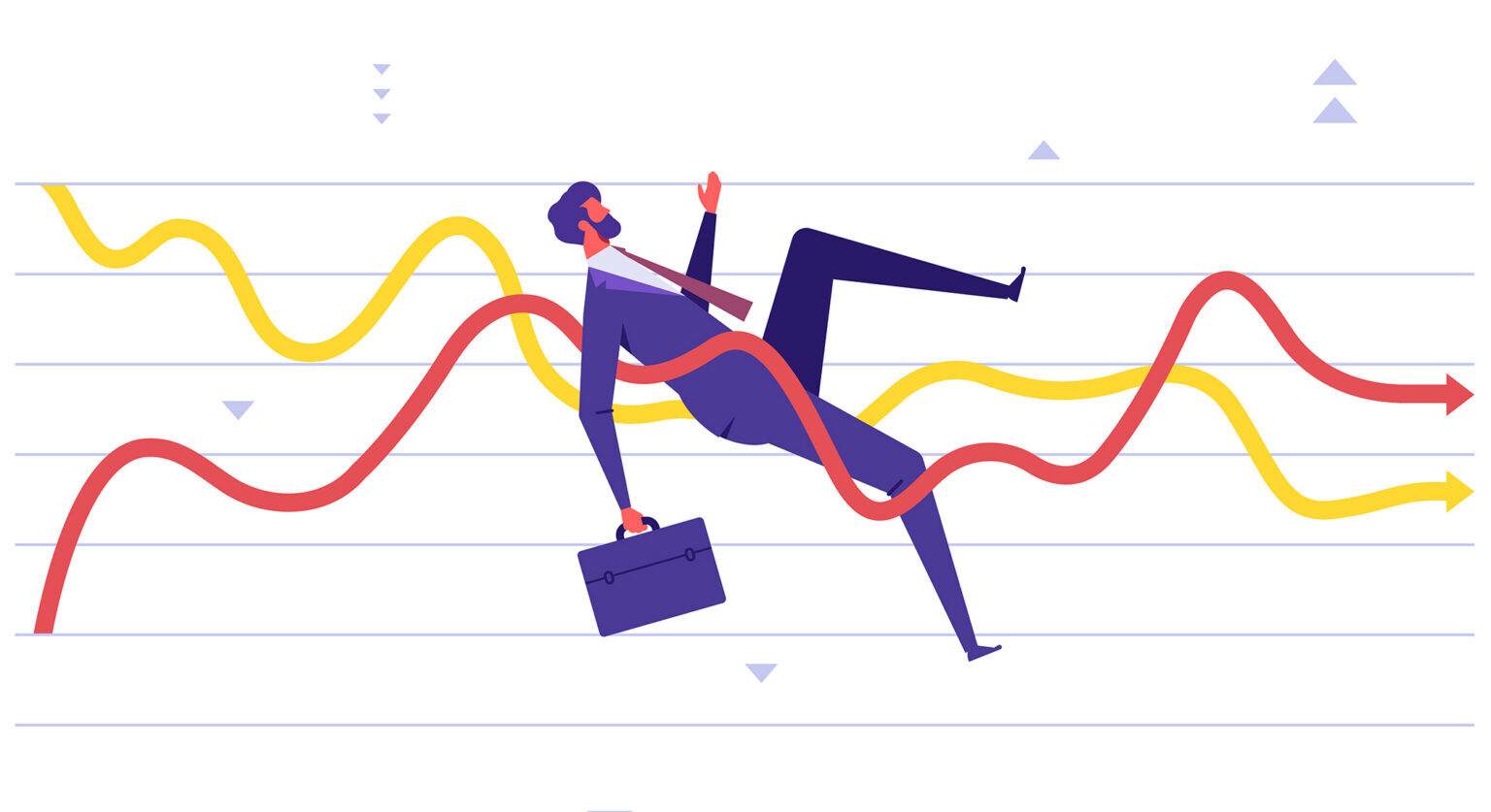
Global turbulence is no longer a distant headline. For Ireland, it is a boardroom reality. Trade shocks, cyber threats and resource competition have reshaped the global landscape and Irish businesses face a defining moment: adapt fast or fall behind.
As a small island economy, Ireland lacks the cushion of a large domestic market. We are deeply embedded in international supply chains, particularly in the technology, life sciences and consumer sectors.
This reality demands vigilance because global signals matter and their impact here is immediate and real.
2025 in review: lessons learned
Last year exposed vulnerabilities and accelerated change. Tariffs and trade friction dominated boardroom conversations. US tariffs disrupted the whiskey, pharmaceutical and other sectors, forcing companies to rethink supply chains.
While the pharmaceutical sector remains at zero tariff, the looming 232 National Security Review (an investigation by the US Department of Commerce to determine if imports of specific products are a threat to national security) could change this, underscoring the need for continual monitoring.
Cybersecurity has also emerged as a critical vulnerability with attacks on health systems and data centres highlighting the fragility of digital infrastructure.
Irish companies have had to react quickly to events far beyond our shores, proving that global shocks translate into local consequences almost overnight.
2026: the new geostrategic reality
The Ernst & Young (EY) Geostrategic Outlook points to a world that is increasingly multipolar, fragmented and interventionist. For Irish businesses, this means navigating a landscape in which rules are being rewritten and resilience is the ultimate competitive advantage.
Key themes shaping 2026 include:
- State intervention: Governments are taking a bigger role in shaping markets through subsidies, trade barriers and industrial policy. Companies must factor political risk into every market decision.
- Geopolitics of scarcity: Competition for energy, water and critical minerals is intensifying. Energy security and access to battery minerals are now strategic priorities, with sustainability and recycling climbing the agenda.
- Regional spheres of influence: North America, Asia-Pacific, Europe and the Middle East are setting their own rules. Opportunities exist, especially in the Middle East, but so do risks.
- Digital sovereignty: Data, AI and infrastructure are now strategic assets. Ireland’s tech footprint offers opportunity and responsibility. Cybersecurity and compliance are non-negotiable and building secure data centres requires energy, planning, and regulation.
The business response: building resilience
Irish businesses cannot afford to be passive observers. Here is the toolkit for thriving in uncertainty:
- Build resilience: Scenario planning, hedging and stress-testing operations are essential. Resilience means preparing for the unexpected, not just the likely.
- Adapt supply chains: Localise or regionalise where it makes sense. Design optionality and dual sourcing. Flexibility is your insurance policy.
- Invest in cyber and data: Classify data by jurisdiction, plan cloud exit strategies and regularly test IP security. Data integrity is now a board-level concern.
- Leverage policy tailwinds: Activate EU and Irish incentives in defence-adjacent, digital, and energy sectors. First movers shape markets, so act early.
- Break down silos: Risk management must be cross-functional, spanning tax, trade, legal, cyber and operations.
Uncertainty is not a temporary condition. It is a design constraint. Irish businesses must embed resilience, data confidence and supply chain agility into strategy.
We need to stay global but think Irish. Leverage our reputation, talent, and connections. Move early on incentives and partnerships. Keep cybersecurity and compliance front and centre because trust is the ultimate currency.
2026 is not just another year on the calendar. It is a test of how we respond to global turbulence. Ireland’s future will be written by those who act early, adapt fast and think beyond borders.
Irish businesses have a chance to set the pace by finding new markets, building smarter supply chains, and making Ireland synonymous with security and reliability in a volatile world.
Simon MacCallister is Partner and Co-Head of Geopolitical Strategy at EY Ireland