“You have to get comfortable with ambiguity in the start-up world”
His accounting qualification was Brian Quigley’s springboard into the world of global big tech and start-up innovation. Now, as Head of Finance with NoFrixion, he tells Accountancy Ireland why he’s ready to settle down
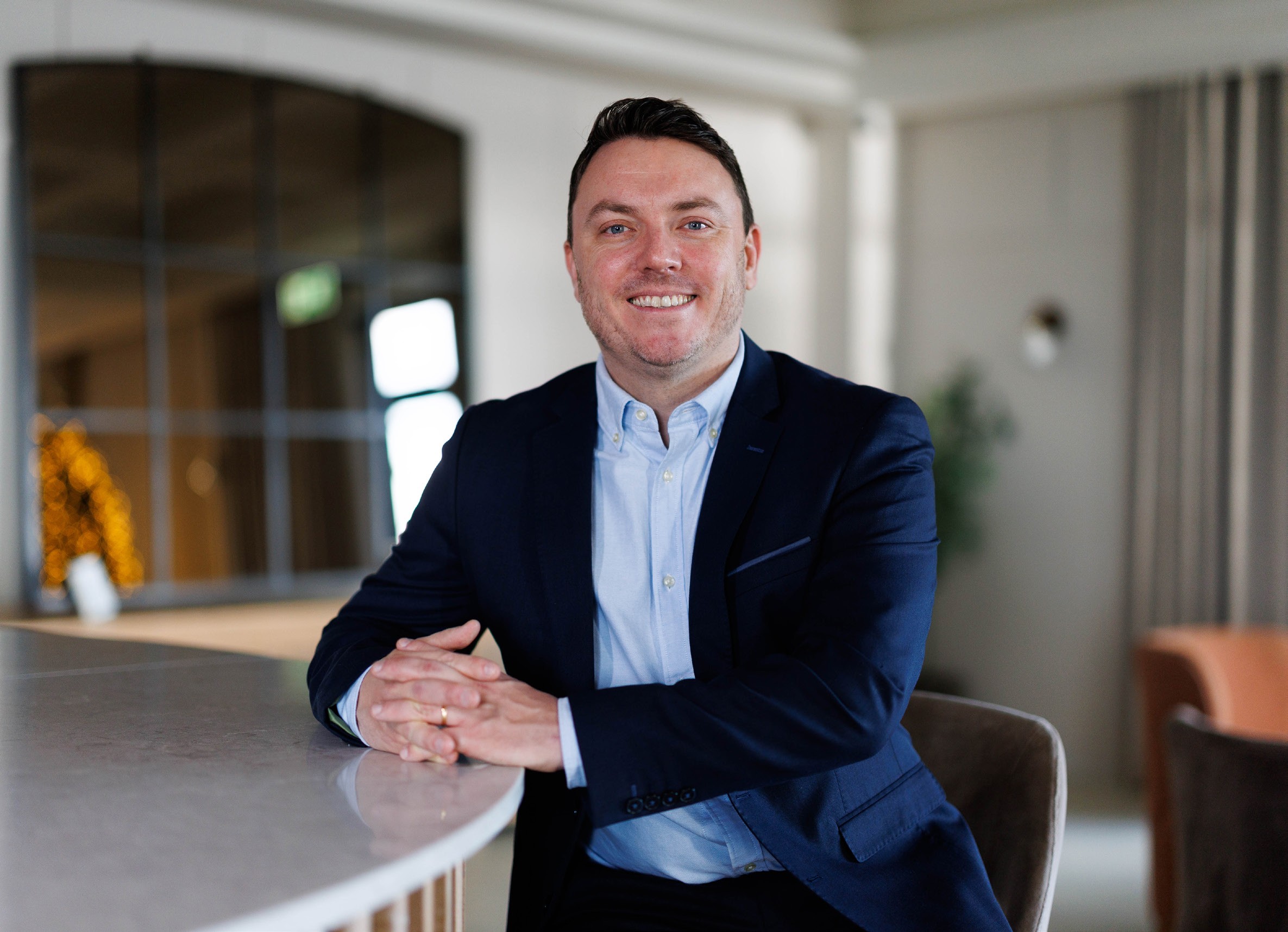
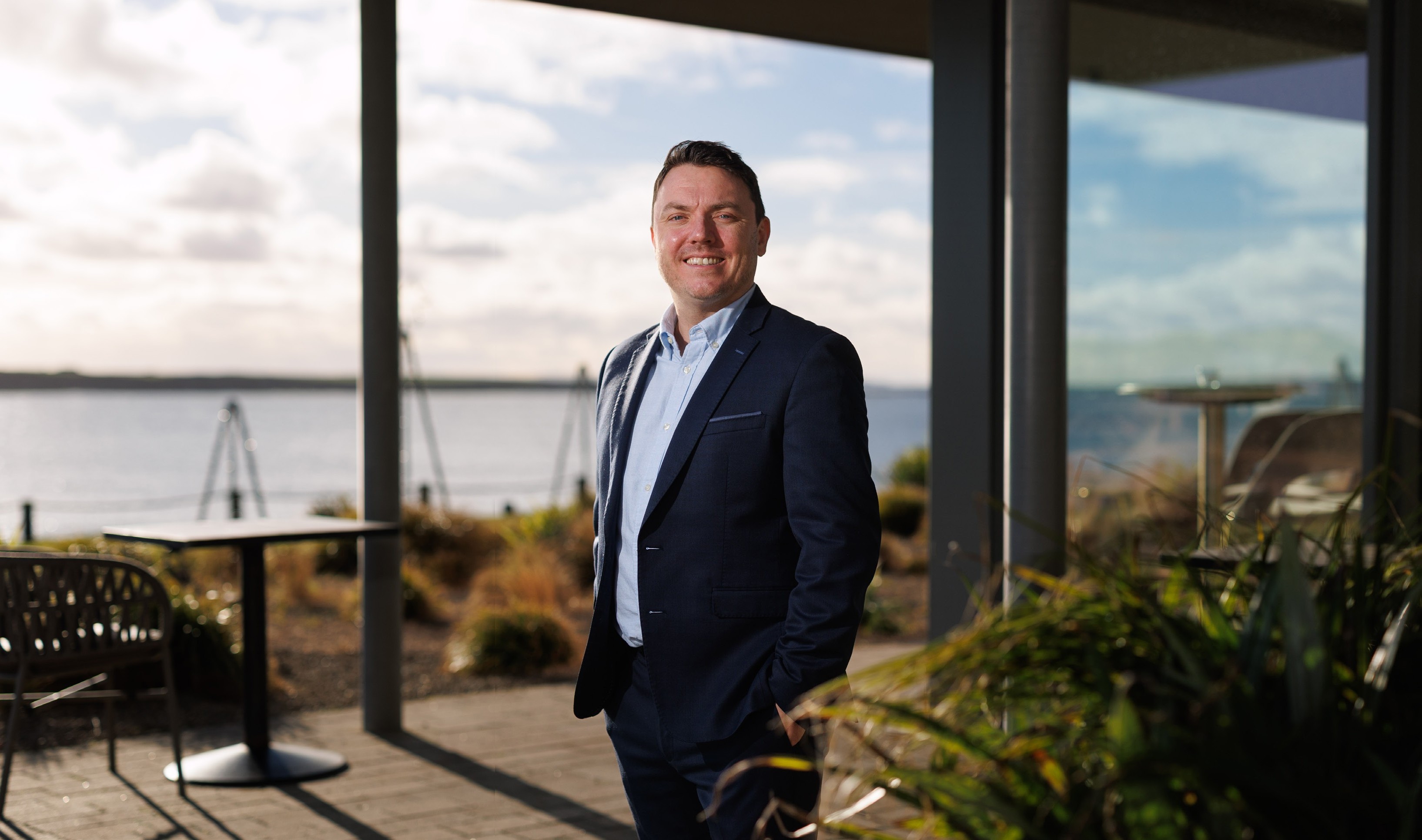
Home for Brian Quigley these days is west Clare where he can enjoy the spectacular views from Spanish Point when he’s not too busy with his young family or his day job as Head of Finance with NoFrixion.
An innovative Irish fintech start-up, NoFrixion has developed a platform to give businesses greater control over their money management operations.
So far so straightforward. But Quigley’s journey from training as a Chartered Accountant in Dublin to his rural idyll on the Wild Atlantic Way has been anything but clear-cut, taking him to the other side of the world and back again.
The story begins in 2001 when Quigley began studying for a degree in accounting and finance at Dundalk Institute of Technology. His family were farmers going back generations, but he decided to follow a different path.
“I was good at maths, accountancy and economics in school, so I decided to do accounting in college and then did a Master of Accounting at UCD Smurfit School,” Quigley explains.
His next move saw him join RSM Ireland (formerly Baker Tilly Ryan Glennon) in Dublin as a trainee Chartered Accountant. “I wanted an internationally recognised qualification because it was always my ambition to work overseas,” he says.
“Chartered Accountancy was the way to go. I was most interested in tax. That was my best subject. But I chose audit to get broader exposure to business. I got great training with RSM. You are really thrown in at the deep end and get to go out to work with clients after six months.”
The travel bug bit hard after Quigley’s training contract finished. “I went backpacking around Asia for a year,” he says. “Then I got my first accounting role in industry with a company called SEEK in Sydney.”
Global ambitions
Quigley still had itchy feet, however. “I wanted to experience different cultures and started learning Mandarin because I wanted to work in China,” he says.
Then he heard that Denis O’Brien’s Digicel was going to open up in Myanmar. “They were looking for an Irish accountant to work there. I just had to go,” he says.
That was in 2012 when Myanmar was just beginning to open up to foreign trade and investment. “We were starting the business from scratch,” Quigley recalls.
“Everything was in cash. We couldn’t open a bank account because of the sanctions on the country. We were literally moving bails of cash around. We had two seven-foot safes in the office to store the cash. It was quite chaotic.
“We started with 20 people and, within six months, we had 500. It was a great experience. You have to get comfortable with ambiguity; that’s a skill you need in the start-up world. You need to be able to figure out things for yourself.”
That was Quigley’s first start-up experience, and he was bitten by the bug.
Ultimately, Digicel was unsuccessful in its licence application and he returned to Ireland where he landed a role on Google’s accounting team. “It was a regional reporting role, and I moved to the corporate finance team in London for a while after that.”
World-class finance function
His next move was back to Dublin where he joined Facebook (now Meta), another tech colossus, in the role of entity controller.
“That was a great opportunity to see what a world-class finance function looks like,” Quigley says—but he just couldn’t shake the start-up bug.
“At Facebook, lots of people had these war stories about how great it had been when the company was starting out. I wanted to experience something similar; to be involved in building something from the ground up. Stripe approached me when it was still a start-up and I just had to take the chance.”
Quigley joined Stripe almost 10 years ago when it was still known as a US tech company started by two Irish brothers. The Irish operation had about 20 people working in the The Digital Hub at the time and a total of 300 to 400 globally.
“The company was moving into European markets and there was initially just two of us looking after the accounting function outside the US. We were setting up new entities in different markets,” he says.
“It was hard just to keep up; the company was growing so rapidly. By the time I left in 2021, there were 6,000 or 7,000 people employed in the business.”
“WE STARTED WITH 20 PEOPLE AND, WITHIN SIX MONTHS, WE HAD 500. IT WAS A GREAT EXPERIENCE. YOU HAVE TO GET COMFORTABLE WITH AMBIGUITY; THAT’S A SKILL YOU NEED IN THE START-UP WORLD”
Quigley’s next move saw him join Truelayer, a UK-headquartered open banking payments platform. “I took a chance on them and joined as their second employee in Ireland to build out the company’s global controllership team,” he says.
Having worked with a few start-up companies, Quigley then decided he wanted exposure to an earlier stage of the start-up journey.
“I got introduced to NoFrixion founder Feargal Brady a few years ago. We talked for over a year; not necessarily about a job—just meeting for coffee to chat. I eventually joined the company two years ago when it was still pre-revenue.”
Things have moved rapidly since. NoFrixion is the first Irish fintech to gain both Electric Money Institution authorisation and Virtual Asset Service Provider registration from the Central Bank of Ireland.
“We have really turned a corner over the last six months,” says Quigley. “We’ve been finding the right customers for our products and word-of-mouth has been driving growth rather than any particular marketing effort on our part.”
Business payments simplified
NoFrixion simplifies digital banking and payments by combining modern infrastructure, inclusive design and real-time money movement into one intuitive platform.
From instant account creation to automated reconciliation, the company aims to make financial operations frictionless for businesses, Quigley explains.
Its success so far in achieving this objective was recognised in October at the 2025 National Fintech Awards at which NoFrixion took home two awards: Best Digital Banking Initiative of the Year and Best Payment Solution.
“Our focus is on automation for businesses that move large volumes of funds. We automate different processes like account opening and customer onboarding and our technology sits under existing systems,” says Quigley.
“Traditional banks are not set up to work with technology in the way businesses want them to. We solve this problem. We’re working with a number of large enterprise clients in Ireland, and our aim is to expand internationally.”
Future of the profession
As Quigley sees it, technology will undoubtedly have an impact on the accountancy profession in future.
“Finance teams up to now have been relying on a patchwork of disconnected systems held together by Excel spreadsheets and manual processes,” he says.
“In the future, all the systems will be connected and— instead of being focused on data entry—accountants will have real-time visibility of what’s going on in the business.
“Technology like ours, which provides automatic updates as payments are received in real-time, will be transformative for the accounting function.
“We’re moving far beyond manual processes to full automation. We are also going to see much greater use of native AI automation systems. They will be active thinking partners you can almost speak to. They will allow finance professionals to interact with ERP [Enterprise Resource Planning] and other systems using natural language.” Does this mean we will need fewer accountants?
“Definitely not,” says Quigley. “We have a shortage anyway, but accountants are going to become more commercial.
“Rather than being reactive, they will become proactive business partners. Tasks like reconciliations and data analysis are done really well by AI. That will give accountants the space to discuss strategies for the overall business.”
Opportunities in technology
Although so far characterised by fairly rapid change over the years, Quigley’s career may be set to slow down as NoFrixion gathers pace.
“Looking back, I’ve been lucky in terms of the number of opportunities that have come my way, but I think it will take a while longer before I get bored with this one,” he says.
“When you get into tech companies, you form a network and, when you work hard, people remember it. People in the industry look out for each other and that’s where the opportunities come from.
“It’s a nice industry to be in but I became a dad for the first time this year and that’s the toughest role of all. I think I’m going to be kept busy for quite some time.”