“Trust is our currency, leadership our future”
Following the publication of the latest Chartered Accountants Worldwide Trust Index, Chair Ainslie van Onselen talks to Accountancy Ireland about how the profession is inspiring growing confidence through expertise, integrity and sustainable practices
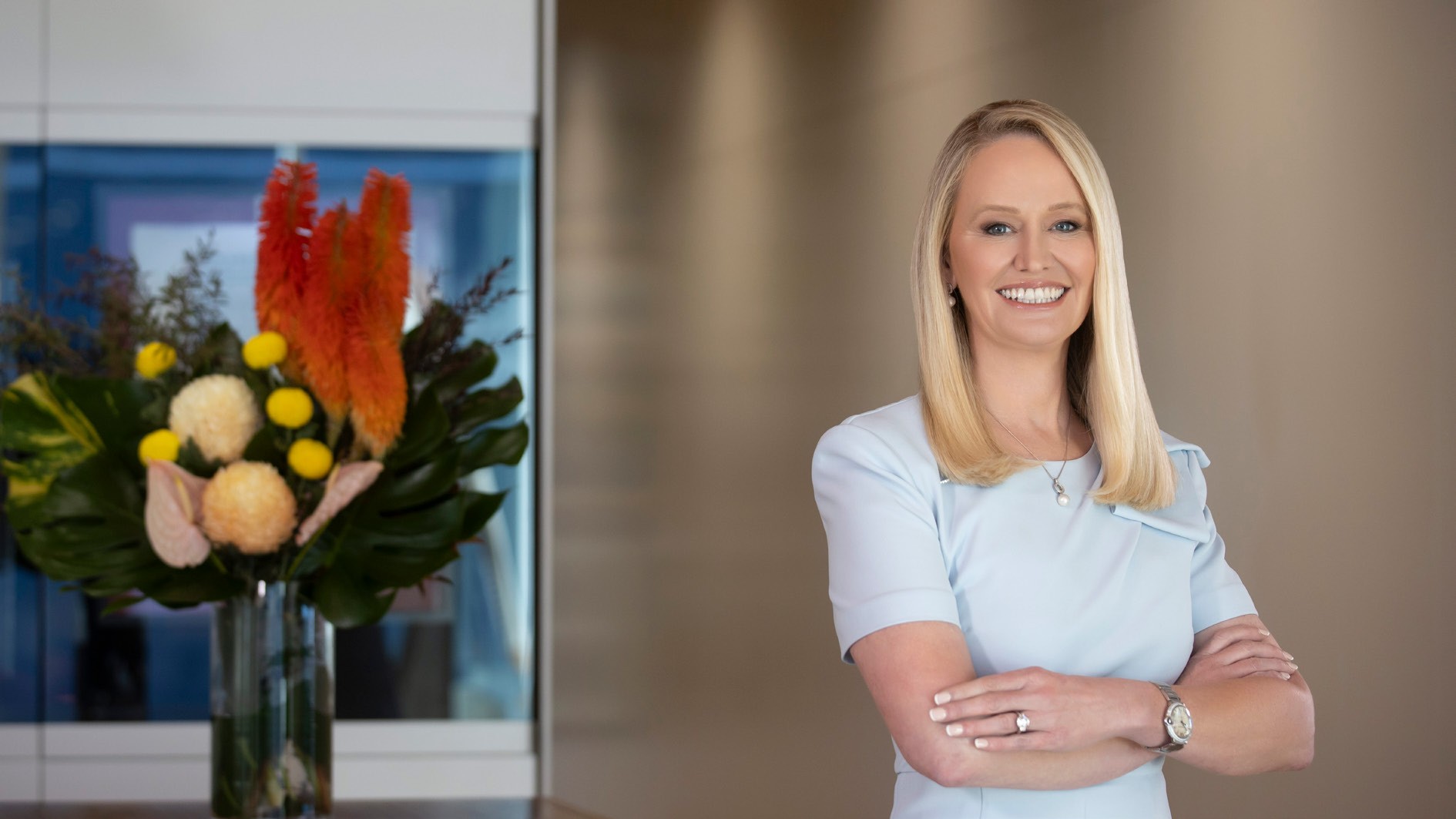
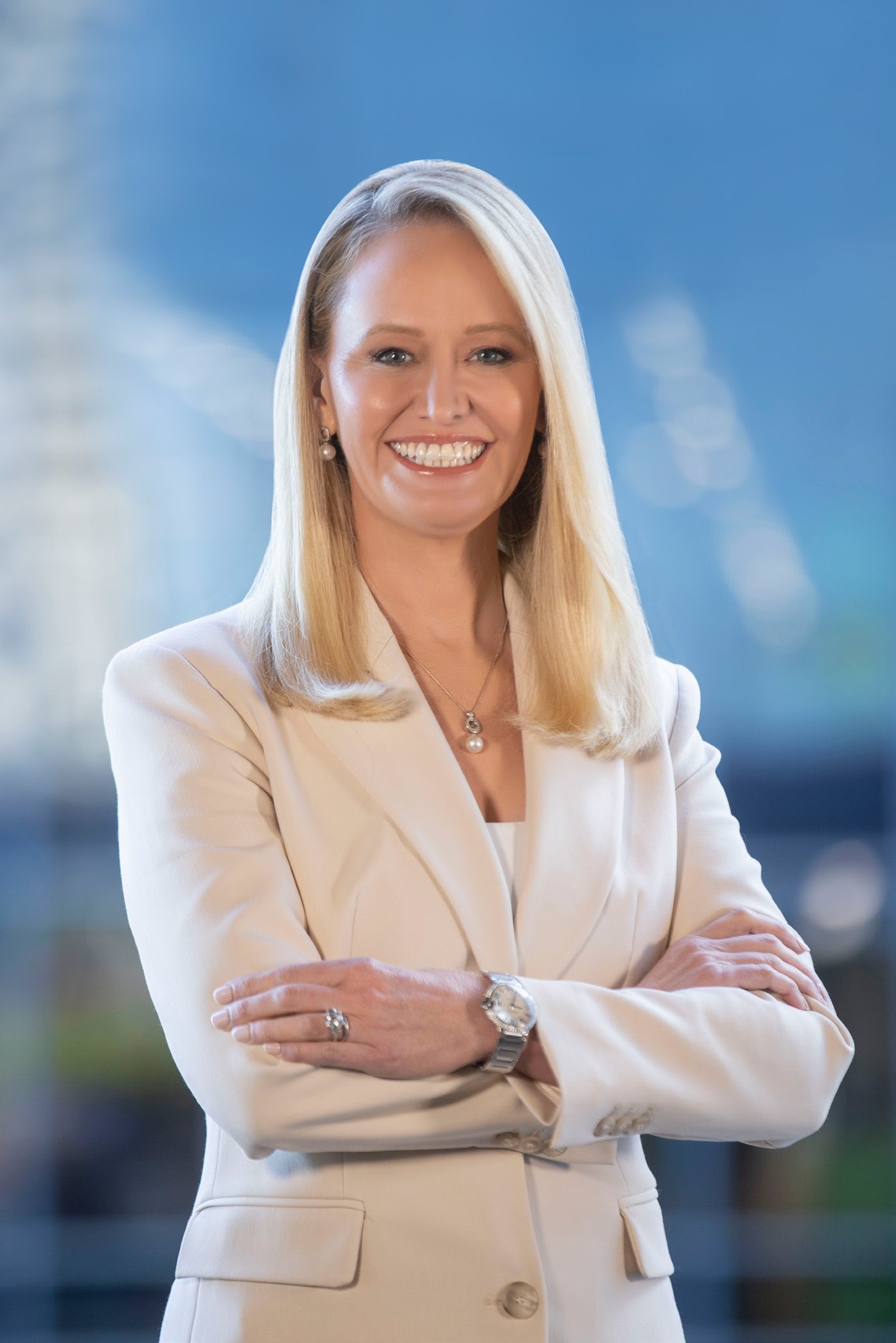
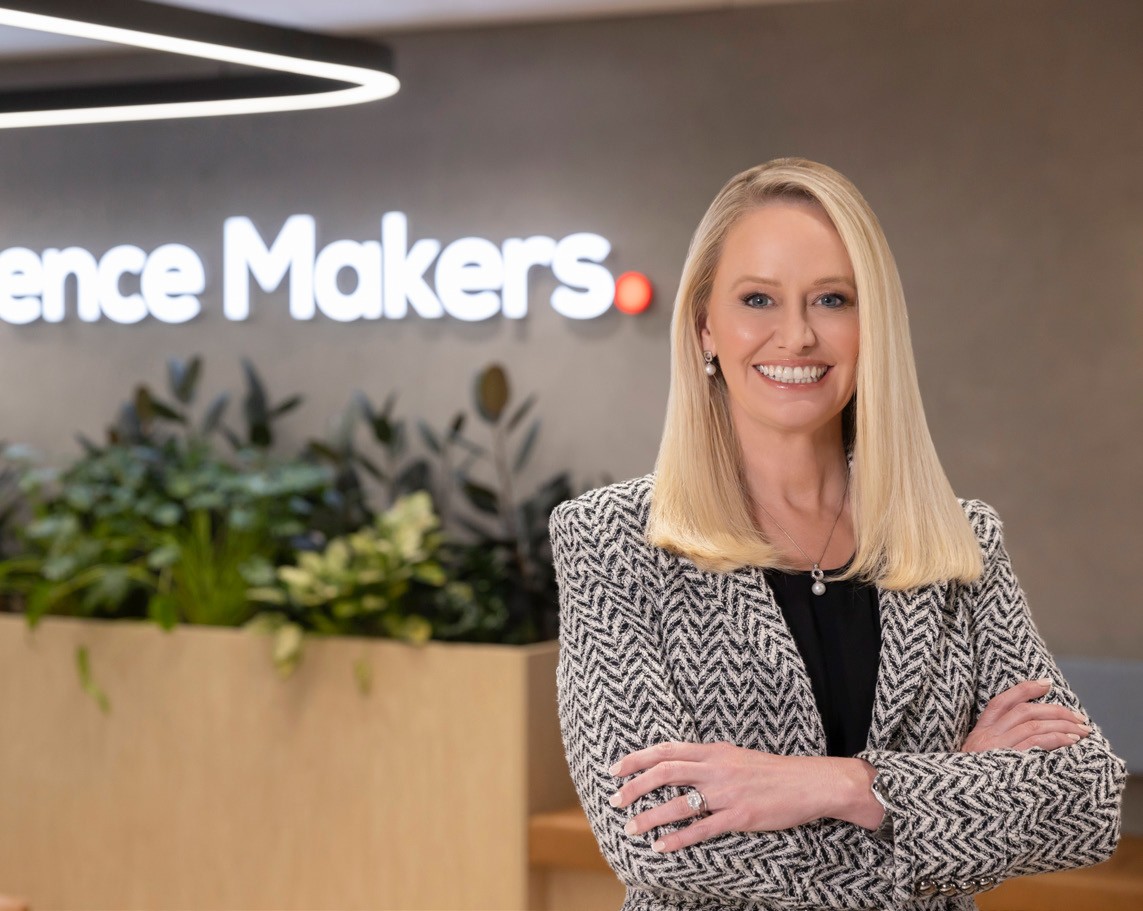
Ainslie van Onselen is Chair of Chartered Accountants Worldwide, representing 1.8 million members and students, and Chief Executive of Chartered Accountants Australia and New Zealand. van Onselen has more than two decades’ experience as a corporate law partner, non-executive director and senior executive at Westpac, one of Australia’s largest banks.
She is a non-executive director of the Global Accounting Alliance and Commissioner of Legal Aid New South Wales.
Here she talks to Accountancy Ireland about the future of the Chartered Accountancy profession worldwide, prevailing trends, emerging opportunities and her personal ethos, grounded in ethical excellence.
Q You commenced your role as Chair of Chartered Accountants Worldwide two years ago. What does this role mean to you?
Serving as Chair is both an honour and a big responsibility. Chartered Accountants Worldwide is the only global network uniting the Chartered Accountancy profession, representing 15 member institutes with more than 1.8 million members and students globally.
This unique network strengthens the profession locally while connecting Chartered Accountants on a global scale, setting us apart from other international networks.
Our priorities are clear:
- To promote and protect the brand by building trust and demonstrating the global value of the profession; and
- To strengthen, support and connect our member institutes and their members with topical resources.
Q Tell us about Chartered Accountants Worldwide’s most significant achievements in the past two years: what are you most proud of?
In the last two years, we have strengthened Chartered Accountants Worldwide’s voice on issues that matter to both business and society, and refined our strategy towards 2030, focused around five key themes that guide our work globally.
We have commissioned high-quality research to underpin this strategy including a study on artificial intelligence (AI) and the profession with Ipsos UK, the fifth wave of our global trust study of the profession conducted for us by Edelman DXI, and a global resilience survey in partnership with the Resilience Institute.
I am particularly pleased with the findings of the Edelman Trust Survey, released in September 2025, which showed trust in Chartered Accountancy Professional Bodies has increased from 71 percent in 2018 to 83 percent in 2025—and from 80 percent in 2023.
These findings demonstrate the impact Chartered Accountants Worldwide is making.
We have also expanded our network of partners, helping to expand our reach and influence, including with the Organisation for Economic Cooperation and Development (OECD).
In addition to leading a delegation to meet with its Secretary General, Mathias Cormann, I had the opportunity to interview the OECD’s Director of Financial and Enterprise Affairs about the role finance professionals can play in shaping cleaner, stronger economies for our Difference Makers Discuss series.
AI and the Future of the Global Chartered Accountancy Profession, the landmark Ipsos UK survey for Chartered Accountants Worldwide, really helped shine a light on the role of Chartered Accountants as trusted data guardians, and the enormous opportunities this creates.
Our strategic relationship with Accounting for Sustainability—or A4S—is another great example of the ability of Chartered Accountants Worldwide to connect the profession to excellent resources to support our role in the fundamental shift toward resilient business models and sustainable economies.
At the same time, we have developed and shared central assets, such as the first global regulatory framework, which is now being adopted by institutes and sparking broader conversations about the role and impact of Chartered Accountants Worldwide.
It has been incredibly rewarding to see these initiatives gain traction and help define the global profession.
Q How is the role of the Chartered Accountant evolving at a global level?
The pace of change in the profession in recent years has been remarkable. AI is transforming every industry and accounting is no exception.
We have to be really clear that AI is not a threat to the profession, but an opportunity to boost strategic insight and strengthen the role of Chartered Accountants as data guardians.
This evolution is driven not only by regulation, sustainability reporting and digitalisation, but also by society’s increasing demand for accountability.
We know young people are seeking a career aligned with their values and purpose and—as the global economy transitions to net zero—Chartered Accountants are uniquely positioned to lead the way through reporting, assurance, strategy and governance.
Consistent sustainability reporting standards help our companies enter markets that require, or are adopting, these standards. Over time, the adoption of sustainability standards will drive more focus on climate change.
At the same time, the profession is becoming more attractive and inclusive, drawing in talent at all levels and supporting career progression across borders.
Awareness of emerging technologies is growing, and institutes are sharing knowledge to ensure members and students can harness digitalisation to improve efficiency.
Together, these developments demonstrate that the profession is evolving not only to stay relevant, but to actively shape the future of business and society worldwide.
Q Global Ethics Day takes place this year on 15 October. What role does Chartered Accountants Worldwide play in guiding ethical standards, trust and integrity in the profession globally?
While the world in which we work will always continue to evolve around us, the profession’s bedrock is its ethics. That will never change. Ethics is foundational to the distinct value of the Chartered Accountant designation.
Global Ethics Day is an opportunity for Chartered Accountants Worldwide to foster a unified conversation across borders and demonstrate that the profession takes its responsibilities seriously.
By sharing knowledge and practical tools, we ensure that ethics is not treated as an abstract principle, but as a guiding force in daily decision-making. It shapes choices and actions throughout the year, extending far beyond a single day of recognition.
In line with this, Chartered Accountants Worldwide has authored and launched the first global trust paper, adopted by our members around the world, as well as the first global regulatory framework, which is now being implemented across institutes and sparking meaningful dialogue and change.
Q Tell us about your core values as a professional and a leader? What are the personal principles and priorities that guide your own career?
I am a lawyer, which trained me to work with precision, think critically and take responsibility for the decisions I make— all qualities that will sound very familiar to any Chartered Accountant.
But effective leadership also depends on the way you treat people. I place real importance on listening carefully and being approachable, because people do their best work when they feel they are heard.
The worst thing a leader can do is surround themselves with ‘yes’ people, so I actively encourage a culture in which people feel confident enough to put forward new ideas, knowing they will be taken seriously.
For me, leadership is less about authority and more about setting a tone of trust and respect that allows others to excel.
QWhat do you see as the most pressing challenges facing the profession today? What steps are Chartered Accountants Worldwide taking in response?
The profession faces several pressing challenges today, notably rapid technological change, declining trust in institutions, evolving societal expectations and the need to attract and retain talent.
Demand for accountants is outstripping supply in many jurisdictions around the world, including Australia and New Zealand, which is why many Chartered Accountants Worldwide members are focused on telling the next generation of talent what it really means to be an accountant.
And once they become Chartered Accountants, we need to make sure they are equipped with the right skills and experiences to be, for example, great stewards of Generative AI and sustainable business models.
It has always been the case that technology moves faster than regulation, so Chartered Accountants have a great opportunity to further burnish their credentials as trusted data guardians.
Trust remains fragile, and our role as guardians of ethical practice is more critical than ever.
Society also expects Chartered Accountants to contribute to sustainable business practices, integrating environmental, social and governance considerations into decision-making.
Chartered Accountants Worldwide is addressing these challenges through global thought leadership, practical skills resources, and advocacy initiatives such as the Global Connectedness Campaign and the Global Future Leaders Think Tank.
By doing so, we strengthen the profession’s global reputation, equip Chartered Accountants with the knowledge to navigate digital and sustainability challenges, and ensure they remain trusted advisers shaping the future of business.
Q Chartered Accountants Worldwide has just published the fifth wave of its Trust Index conducted by Edelman DXI. Why was this initiative launched initially?
Trust is our currency. In 2018, we launched the Edelman DXI trust study to formally measure perceptions of the profession, establish a benchmark and track changes over time.
The research helps us understand what drives trust in the Chartered Accountancy profession and in professional bodies more broadly, providing insights that guide both our strategy and the wider sector.
With five waves now published, we can see how sentiment has evolved across key markets.
The findings show that Chartered Accountants are valued not only for their technical expertise but also for the integrity and reliability they bring.
This evidence underpins our reputation strategy, positioning Chartered Accountants as trusted advisers and ethical leaders in a complex, changing world.
Q The results of the latest Edelman DXI trust study have just been published. Can you talk us through some of the main findings?
In today’s climate of economic uncertainty and digital disruption, Chartered Accountants are recognised as one of the world’s most trusted professions.
The fifth wave of the Trust Survey conducted by Edelman DXI for Chartered Accountants Worldwide, found that the Chartered Accountancy profession ranks third globally for trust, just behind doctors and engineers.
Trust in Chartered Accountants has risen two points since 2023. Businesses increasingly rely on Chartered Accountants to ensure data integrity, provide ethical guidance and navigate digital transformation, including AI adoption and the risks of misinformation.
In fact, three in four businesses now depend on Chartered Accountants to safeguard data and ethical decision-making, which is a six-point rise since 2023.
This growing trust signals a leadership mandate: Chartered Accountants are guiding organisations through complex ethical, digital and societal challenges, demonstrating the profession’s enduring relevance and impact.
Q Chartered Accountants Worldwide published a global report on AI and the future of the profession in April 2025. Were there any findings that really struck you?
One finding that stood out in the report Ipsos UK compiled for Chartered Accountants Worldwide was how strongly businesses are looking to Chartered Accountants to provide assurance over AI systems.
This aligns with the findings in our latest trust survey. Both reports show that organisations increasingly view Chartered Accountants as data guardians, responsible not only for accuracy but also for ethical oversight in an AI-driven world.
The Ipsos report also highlighted AI’s transformative potential for the profession. Younger Chartered Accountants are embracing AI to enhance productivity, streamline data entry, improve client services and manage risk, demonstrating their appetite for innovation.
The report also revealed that leadership and upskilling are critical to ensure the profession fully capitalises on these opportunities.
While 80 percent of Chartered Accountants aged 18-24 feel confident using AI, just 55 percent of senior decision-makers feel the same, citing data security concerns, lack of training and restrictive policies.
This gap emphasises the need for strong guidance from the top to embed AI responsibly across organisations.
The research also reinforced the idea that AI is not a threat but an opportunity to elevate the profession.
Chartered Accountants are positioned to combine technical expertise with ethical stewardship, advising organisations on data integrity and sustainability while helping businesses navigate the balance between efficiency and human judgement.
It is a reminder that our role is to shape technology with purpose, to safeguard trust and lead in a rapidly evolving global economy.
Q What do you see as the most significant opportunities for Chartered Accountants globally now and in the years ahead?
The biggest opportunity I see for Chartered Accountants is in leadership.
As the world grapples with sustainability, AI and inequality, businesses need advisers who can combine technical expertise with ethical foresight.
Chartered Accountants are ideally placed to fill this space. I see our profession increasingly stepping into roles that go beyond finance, offering guidance on governance, sustainability and data ethics.
This is an opportunity not just to stay relevant, but to influence and shape the future of business and society.
Q Tell us about the Chartered Accountants Worldwide vision for the future of the profession.
Our vision is simple: a trusted, global and future-ready profession. We are strengthening the Chartered Accountancy designation, equipping members with the skills to thrive in a digital world, and keeping ethics at the heart of every decision.
Chartered Accountants inspire confidence by combining expertise, integrity and sustainable practices.
Looking to 2030, we aim to drive responsible business, champion innovation, develop future talent, foster global connections, and lead with purpose.
These ambitions ensure that the Chartered Accountancy designation stands for trust, principled leadership, and lasting impact in every sector and region.