Best reads for life, work and wealth
Three Chartered Accountants share the books that have most enriched their life, work and finance, from helping them find purpose and build positive habits to embracing change, improving financial discipline and enhancing life “beyond the numbers”

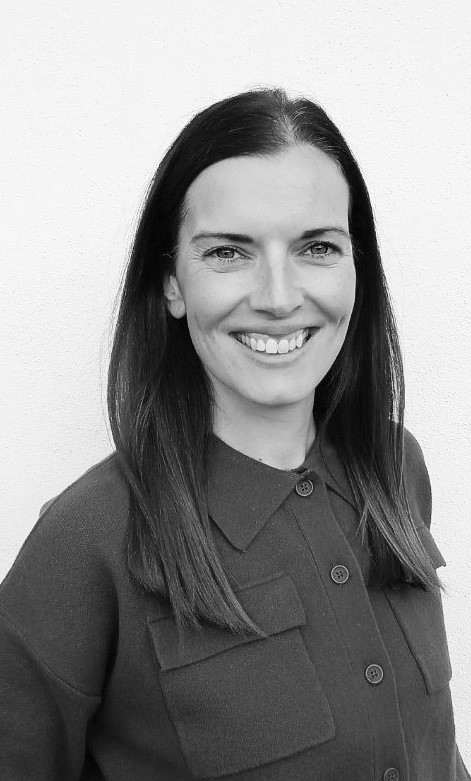
Gina O’Doherty
Company Accountant
Pharma
As my career has developed, I have often turned to books that go beyond technical knowledge and speak to the broader challenges of how we live, work and make decisions. Three stand out for me.
Ikigai: The Japanese Secret to a Long and Happy Life by Francesc Miralles and Hector Garcia reminds me that a career, however rewarding, is only one part of a fulfilling life.
The book’s exploration of finding purpose—the intersection of what we love, what we are good at and what the world needs—encouraged me to reflect on my own motivations. In a profession where deadlines and detail can dominate, Ikigai helped me step back and think about balance and longevity.
The Power of Habit by Charles Duhigg struck a chord in a different way. It made me think critically about the routines, both personal and professional, that shape outcomes more than willpower alone.
“THE BOOK’S EXPLORATION OF FINDING PURPOSE—THE INTERSECTION OF WHAT WE LOVE, WHAT WE ARE GOOD AT AND WHAT THE WORLD NEEDS— ENCOURAGED ME TO REFLECT ON MY OWN MOTIVATIONS”
I found myself applying its insights to everyday tasks, such as how I structure my mornings, manage my workload and how small adjustments can improve productivity. It taught me that small, repeated actions create far-reaching results.
Finally, Rich Dad, Poor Dad by Robert Kiyosaki gave me a fresh lens on financial thinking.
While I had studied accounting and finance formally, this book emphasised mindset: the importance of building assets, questioning assumptions about money and taking control of financial choices.
I often share its lessons with colleagues who are just starting their financial journeys.
These books have helped me with my approach to life, work and wealth—and they continue to influence my perspective well beyond the numbers.
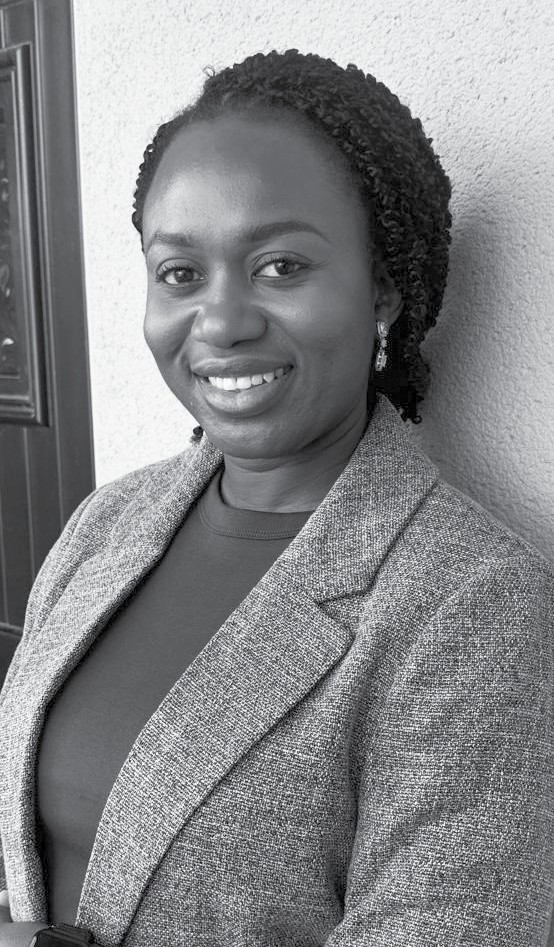
Grace Ogundipe
Finance Manager
Compass Group at Intel
I first picked up Ikigai: The Japanese Secret to a Long and Happy Life by Héctor García and Francesc Miralles during a season when I was questioning how to balance work, motherhood and my own personal goals.
What I found in its pages was a gentle reminder to slow down and find purpose in the everyday.
It taught me that fulfilment isn’t just about big achievements, but about finding joy in small, intentional moments; whether that’s sharing a quiet breakfast with my children or pausing to reflect on my goals at the end of a busy day.
When it comes to work, Atomic Habits by James Clear has completely reshaped my approach to productivity.
The idea that tiny, consistent actions compound into meaningful results immediately clicked for me. I now view professional growth not as dramatic leaps, but as the sum of daily choices; from tidying my workspace to thoughtfully prioritising tasks.
Finally, for financial lessons, You Only Live Once by Jason Vitug encouraged me to view money as a tool for living intentionally, not just accumulating wealth.
Vitug’s book has helped me align spending and saving with what truly matters, whether that’s planning for my family’s future or investing in experiences that bring genuine joy.
All of these books have helped shape the way I live, work and make decisions. They remind me that life is a blend of purpose, discipline and intentional choices.
“THE IDEA THAT TINY, CONSISTENT ACTIONS COMPOUND INTO MEANINGFUL RESULTS IMMEDIATELY CLICKED FOR ME. I NOW VIEW PROFESSIONAL GROWTH NOT AS DRAMATIC LEAPS, BUT AS THE SUM OF DAILY CHOICES; FROM TIDYING MY WORKSPACE TO THOUGHTFULLY PRIORITISING TASKS”
Gillian Cregan
Director of Finance and Operations
Law Society of Ireland
Some books stay with you long after you’ve read them. I have three go-to books I call on from time to time.
The first is How to Win Friends and Influence People by Dale Carnegie.
When this book was first recommended to me, I expected it to feel outdated, but it is a timeless guide to improving interpersonal skills, building meaningful relationships and becoming more persuasive.
Lessons on listening, showing appreciation and demonstrating empathy are key to influence. What struck me most was the power of simple kindness.
The second is Our Iceberg is Melting by John Kotter, which came to me during a period of change at work.
Through the story of penguins facing the loss of their iceberg home, Kotter shows how people respond to change— denial, fear and, eventually, adaptation. I recognised myself in those stages.
The key lesson I have carried forward is that resisting change makes it harder, while curiosity and adaptability can turn challenges into opportunities. The fun bit is recognising all the other penguins on your team.
Finally, The Richest Man in Babylon by George S. Clason gave me the clearest financial advice I’ve ever read. Its parables may be simple, but the wisdom is lasting: pay yourself first, live within your means and let money work for you. I still find myself repeating those phrases when making financial decisions.
These three books remind me that relationships, adaptability and financial discipline are cornerstones of a good life—lessons I try to put into practice every day.
“LESSONS ON LISTENING, SHOWING APPRECIATION AND DEMONSTRATING EMPATHY ARE KEY TO INFLUENCE. WHAT STRUCK ME MOST WAS THE POWER OF SIMPLE KINDNESS”