Budget 2026: stability over stimulus?
Amid global uncertainty, Budget 2026 prioritised restraint over giveaways. Its focus on housing, enterprise and fiscal discipline signals a long-term vision for sustainable growth, writes Sarah Meredith
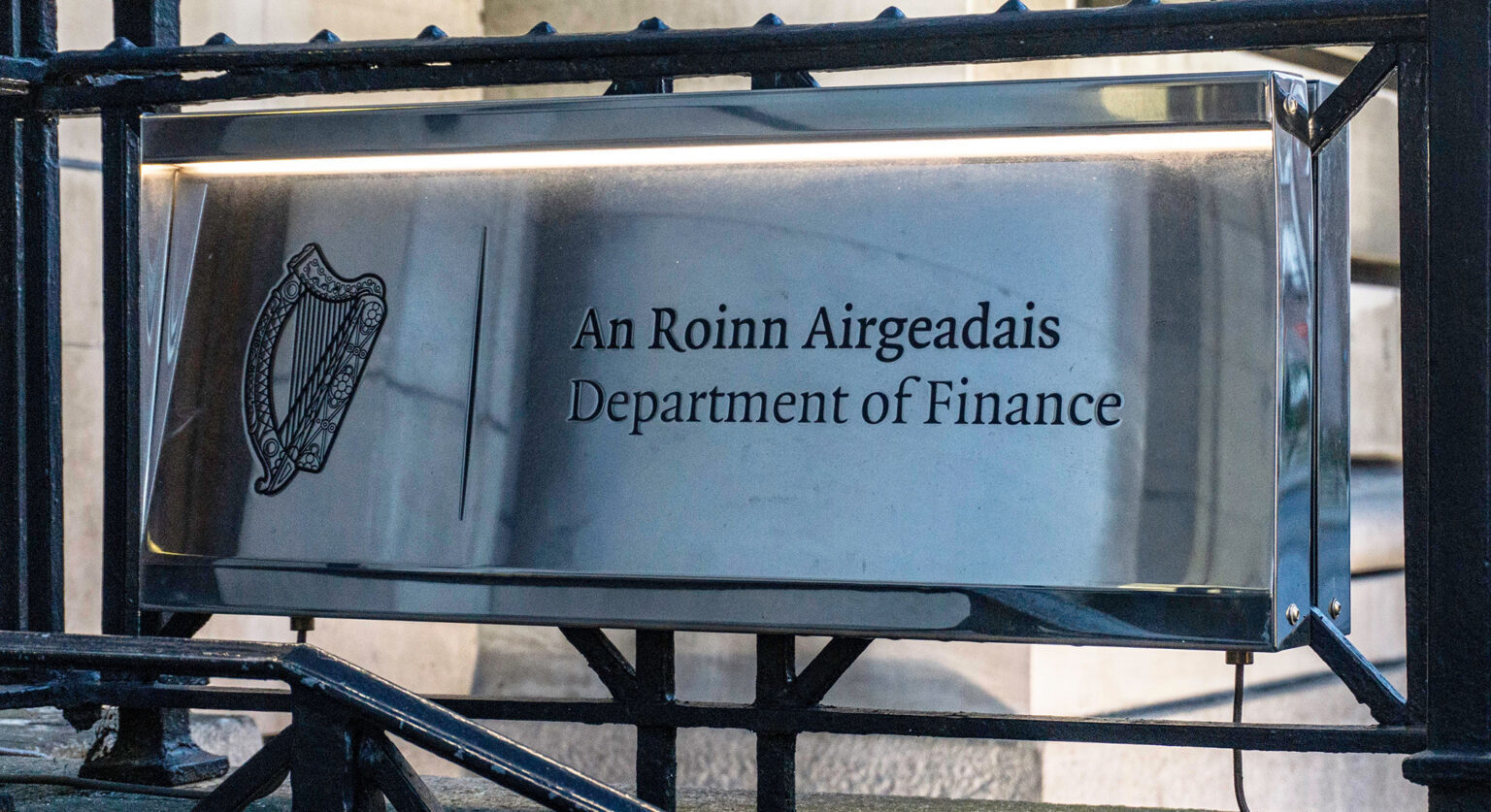
This year’s Budget arrived at a time when, as Minister for Finance Paschal Donohoe noted, uncertainty is the defining feature of the global landscape.
While the strong fundamentals of record employment and a persistent corporate tax surplus provide fiscal comfort, persistent warnings about the dangers of over-reliance on volatile corporate tax receipts framed this as a moment for restraint.
Rather than repeating previous giveaways, the Government opted for a long-term approach—emphasising investment, infrastructure and enterprise while signalling fiscal discipline.
This demonstrated a clear commitment to housing delivery, business competitiveness and sustainable public investment.
Housing as the Budget’s centre of gravity
The nine percent VAT rate cut for new completed apartments, effective immediately until 31 December 2030, is the Budget’s most consequential housing intervention, aimed at improving the viability of developments amid rising construction and financing costs.
Together with an expanded Living City Initiative, the measure formed part of a broader package designed to increase investment and unlock supply.
A wider set of initiatives included extensions to stamp duty refunds and the introduction of a new derelict property tax, both aimed at stimulating residential development.
To boost affordable housing supply, a corporation tax exemption has been applied to rental profits from Cost Rental Scheme homes from 8 October 2025.
In parallel, developers can claim an enhanced deduction on qualifying costs for building or converting apartments—targeted relief to offset rising construction costs.
Enterprise: Stability, simplification and sector support
The nine percent VAT rate for food, catering and hairdressing will help protect employment and business viability, but delayed implementation until July 2026 blunts the short-term benefit.
For sectors already facing high inflation, new sick-pay costs and pension auto-enrolment, nine months is a long wait.
The Budget also sought to reinforce Ireland’s reputation as a knowledge and enterprise economy through selective, pro-competitiveness measures.
The Special Assignee Relief Programme (SARP) has been extended. This is a positive for international mobility, though the higher minimum salary threshold is a disappointment.
The forthcoming Finance Bill is expected to simplify access to the relief, a long-standing business request.
The increase in the Capital Gains Tax (CGT) Entrepreneur Relief lifetime limit to €1.5 million from 1 January 2026 was a welcome surprise. Entrepreneurs disposing of qualifying business assets can now avail of a 10 percent CGT rate up to that threshold—a potential saving of €345,000, compared with the standard 33 percent rate.
Income tax: a year of standing still
Aside from limited Universal Social Charge (USC) relief for those on the National Minimum Wage, there were no income-tax enhancements. As tax bands remain unindexed, many workers will see a stealth increase in their tax burden.
Still, there were targeted supports. Most core welfare payments will rise by about €10 per week; the nine percent VAT rate on electricity and gas has been extended to 31 December 2030; and the minimum wage will increase from 1 January 2026.
The €500 permanent cut to third-level student fees (now €2,500) will be widely welcomed, as will continued childcare fee caps and expansion of places in high-cost areas.
Mortgage-interest relief and the rent tax credit have both been extended but not enhanced, providing continuity rather than additional benefit.
A budget of missed opportunities for financial services
From a financial services (FS) perspective, a reduction in the exit tax rates for Irish and offshore funds, Exchange Traded Funds and life assurance policies is welcome, but a 38 percent rate is still higher than other withholding rates.
Despite an increase in the Research and Development (R&D) Tax Credits, additional simplification and application of R&D Tax Credits and their application to the FS and Fintech sectors would have been welcome, particularly at a time when protecting and enhancing our international competitiveness in these sectors is required.
One recommendation the Minister for Finance has confirmed will not be progressed is the recommendation for a consultation on an entity-level tax for Irish Real Estate Funds (IREFs). However, the Minister intends to hold a public consultation in 2026 on proposals to simplify the IREF regime.
Finance Bill 2026
The devil will be in the details of Finance Bill 2026.
Careful consideration of the Retail Investment Roadmap—to simplify and modernise the tax framework to encourage broader retail participation in investment markets—and the Implementation Plan for the overall Funds Sector 2030 Report will be needed.
Another year has passed without a branch participation exemption, and it will be interesting to see if this issue will be addressed in the implementation plan.
(endbio) Sarah Meredith is Partner at Grant Thornton
You can hear our breakdown of Budget 2026 on the Accountancy Ireland Podcast at accountancyireland.ie