Let’s make a deal! The EU-US trade agreement
The new EU-US trade deal avoids a trade war and brings some certainty, but many exporters on the island of Ireland are now facing considerably higher costs, wrote Richard Cowley and Glen Reynolds
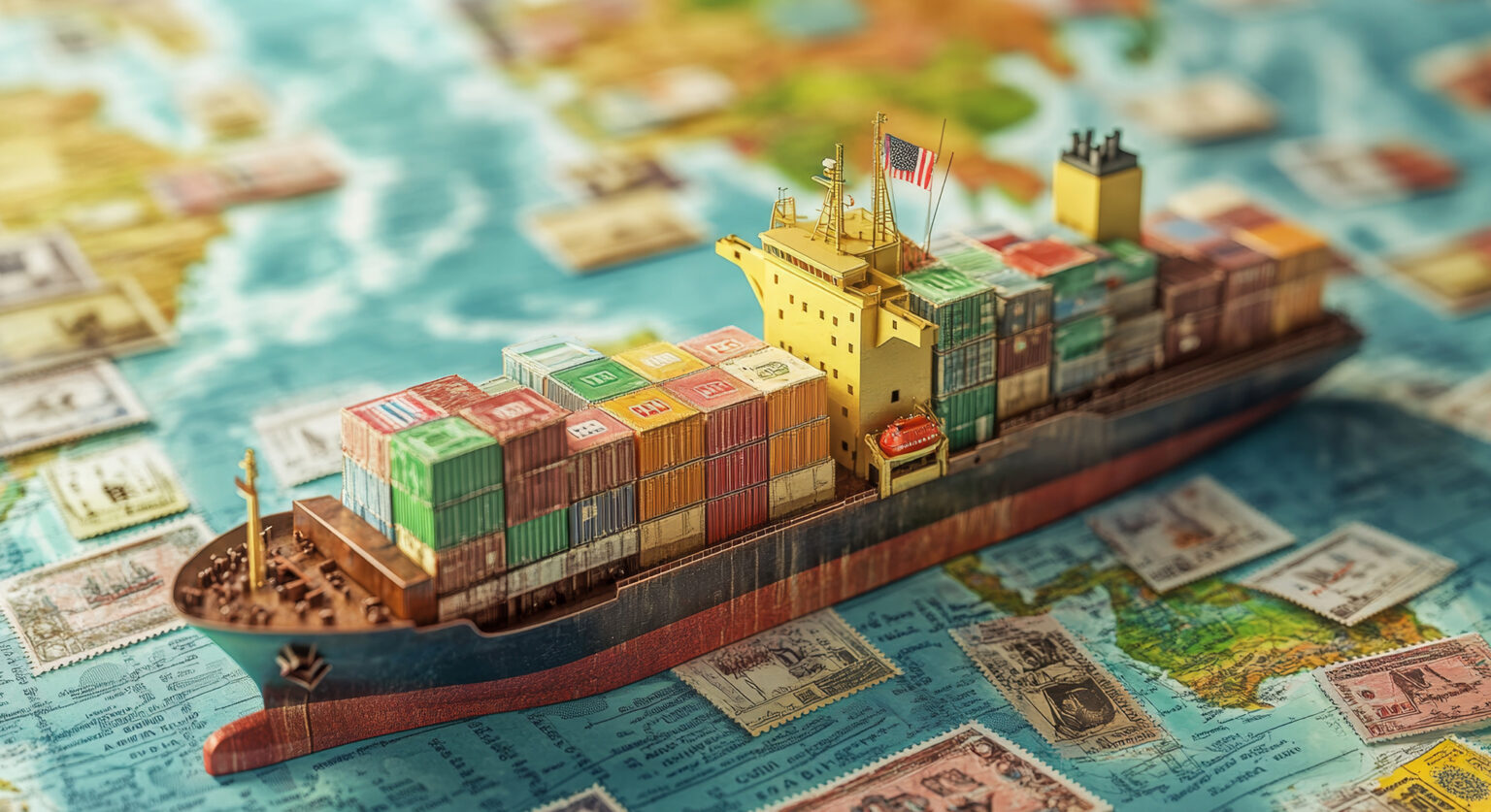
On 27 July 2025, the European Commission announced that the United States and European Union had reached a framework agreement on tariffs.
Key points in the announcement include:
- The application of 15 percent tariffs to most goods originating in the EU imported into the US. This is an all-inclusive rate—the 15 percent does not “stack” with previous tariffs in the same way as the previous 10 percent rate imposed.
- Zero percent tariffs will apply to certain strategic product categories, including aircraft and aircraft parts, critical raw materials, certain chemicals, agricultural products and natural resources.
- The existing 50 percent tariff on steel and aluminium will remain unchanged for now.
The EU has not announced any retaliatory measures.
The announcement of a framework agreement brings some certainty and avoids a damaging trade war between the US and EU. This deal “creates certainty in uncertain times,” in the words of the European Commission.
The impact of the deal will differ between certain sectors. Some will cautiously welcome the deal and the relative certainty it brings. However, most exporters will face a level of tariffs on selling into the US that have not been seen for generations, with some facing a further 5 percent on top of the 10 percent applying since April.
Relatively speaking—and looking for positives—besides a five percent difference for some products coming from the UK (including Northern Ireland), Ireland will be no worse off than other exporters to the US.
The pharmaceutical sector
Currently, no duty applies to the trade in pharmaceuticals between the EU and the US.
US President Donald Trump has, however, previously threatened both a 25 percent and 200 percent tariff rate on pharmaceutical imports into the US.
He has initiated a Section 232 trade investigation into the pharmaceutical sector.
Section 232 of the Trade Expansion Act of 1962 allows the US President to impose trade restrictions (e.g. tariffs) on imports if they are found to threaten national security.
Following the deal announcement, initial messaging from the US and the EU was that if future tariffs are introduced, these would be capped at 15 percent for EU/Irish pharma products, with potentially some generic products staying at zero. Recent comments from President Trump have, however, added some further uncertainty to the position.
The aviation industry
The news is positive for the aviation sector.
The deal provides for a return to zero percent US tariffs on aircraft and component parts of EU origin imported into the US, which is good news for the industry.
The EU position remains unchanged, with no duty on aircraft or aircraft parts currently or previously holding a certificate of airworthiness.
Note that this deal applies only to products of EU origin. Aircraft and parts of non-EU origin may still attract tariffs depending on arrangements with the particular jurisdiction.
Northern Ireland
On 8 May 2025, the US and the UK announced a trade deal allowing for reduced tariffs on certain US-origin products imported into the UK, and UK-origin products exported to the US.
Most products of origin in Northern Ireland imported into the US should be subject to the 10 percent tariffs applying to the UK rather than the EU tariff rate.
This means a lower tariff cost for certain products of Northern Ireland origin shipped to the US.
Business considerations
Now that the future trading relationship between the EU and the US is relatively clearer, Irish and EU businesses should consider the impact of the deal on their trade flows and exports to the US and develop a strategic approach to mitigate potential disruptions.
Richard Cowley is Principal, Indirect Taxes – VAT & Customs at KPMG in Ireland
Glenn Reynolds is Partner, Head of Indirect Tax – VAT & Customs at KPMG in Ireland